Verification Layers Propel Seamless Entry Into Platforms Merging Slot Mechanics, Live Table Games, and Sports Markets
Written by Sofia Butler · Jun 27, 2026
Verification Layers Propel Seamless Entry Into Platforms Merging Slot Mechanics, Live Table Games, and Sports Markets
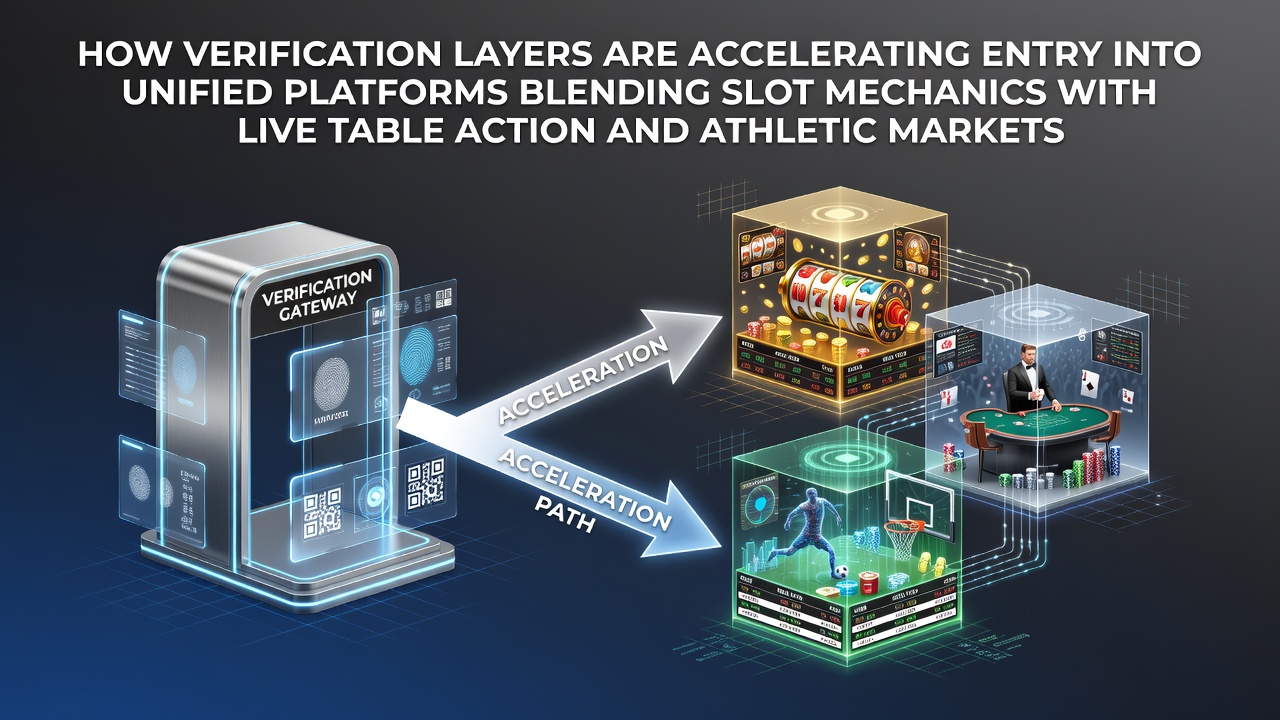
Verification layers have emerged as critical components in the online gaming sector, where identity checks and compliance protocols now enable faster access to platforms that combine slot mechanics with live table action and athletic markets; these systems handle document uploads, biometric scans, and real-time database cross-references while users transition directly into blended environments without extended delays. Data from regulatory filings shows that streamlined verification reduces onboarding times from days to minutes in many jurisdictions, allowing operators to deliver unified experiences that blend spinning reels, dealer-hosted blackjack and roulette, plus live sports odds in single sessions.
Core Mechanisms Behind Verification Acceleration
Operators integrate multi-stage verification that begins with basic account creation and escalates through automated facial recognition paired with government ID validation, while artificial intelligence flags discrepancies in seconds rather than hours. Studies conducted by research institutions indicate these layers cut manual review needs by up to 70 percent in high-volume markets, which in turn supports the rapid scaling of platforms where slot symbols interact with live dealer feeds and athletic event trackers. By June 2026, several North American and European operators reported verification completion rates exceeding 85 percent within the first five minutes of registration, according to aggregated industry metrics shared through gaming associations.
Unified Platforms and Their Blended Mechanics
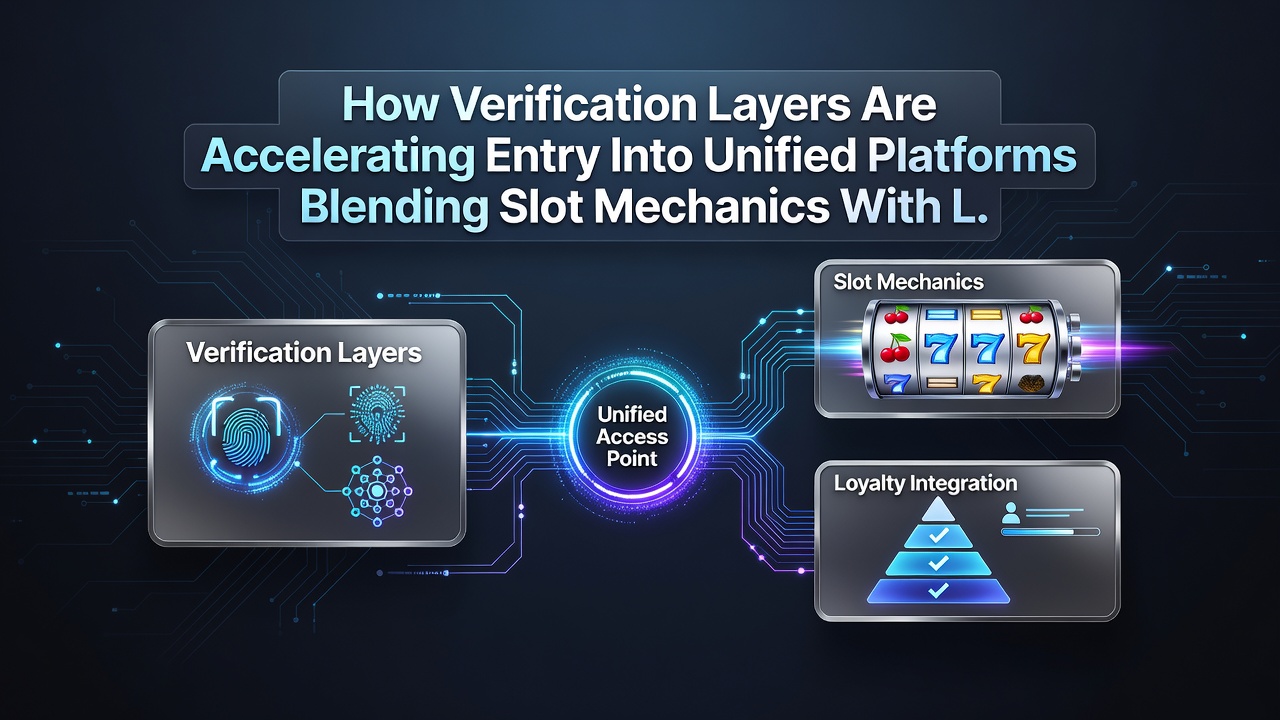
Unified platforms function as single interfaces where slot mechanics feed into live table sessions through shared wallets and progress trackers, while athletic markets update in real time alongside dealer actions. Verification layers serve as the entry gate that authenticates users once, then grants persistent access across these features without repeated logins or separate approvals. Researchers at academic centers focused on digital entertainment have documented how such integration relies on secure APIs that link verification outputs directly to game servers, ensuring compliance remains active even as players shift from spinning reels to placing wagers on live matches or joining roulette tables.
One notable development involves biometric tokens generated during initial verification, which then authorize instant participation in hybrid sessions where slot bonuses influence live table stakes or athletic market odds. This approach eliminates friction that previously forced users through multiple portals, and regulatory bodies in regions outside the UK have noted corresponding increases in session continuity metrics.
Regional Regulatory Influences on Speed and Adoption
Authorities such as the Malta Gaming Authority and the Nevada Gaming Control Board have updated guidelines that reward operators deploying advanced verification for quicker market entry approvals, creating incentives for technology investment. Figures released in early 2026 reveal that platforms adopting layered verification saw 40 percent faster compliance certifications compared with legacy systems, enabling quicker launches of blended offerings. Meanwhile, Canadian provincial regulators and Australian state commissions have aligned on data-sharing standards that further compress verification timelines, allowing users to move from athletic market bets to live dealer tables without re-authentication pauses.
What's interesting here is the role of third-party verification providers that supply plug-in solutions compatible with multiple jurisdictions, reducing development overhead for operators. Evidence from trade group reports shows these partnerships correlate with higher retention rates in unified environments, where verified users explore slot mechanics, live table action, and sports markets within the same account ecosystem.
Technical Integration and User Flow Examples
Take one major operator that rolled out verification-linked wallets in 2025; their system now routes authenticated players straight into sessions where slot spins generate tokens redeemable at live tables or on athletic spreads. The process uses encrypted handshakes between verification servers and game engines, maintaining regulatory audit trails while supporting seamless transitions. Observers note that by June 2026, similar implementations had spread across additional markets, with transaction logs indicating average time from verification complete to first blended bet dropping below 90 seconds.
Another case involves academic analyses of platform data that highlight how verification reduces fraud-related interruptions, thereby sustaining longer play sequences across mechanics. These analyses connect verification efficiency directly to expanded participation in combined slot, live dealer, and sports features without separate funding steps or repeated identity prompts.
Conclusion
Verification layers continue to reshape access patterns by anchoring compliance at the platform gateway, which then unlocks unified spaces blending slot mechanics, live table action, and athletic markets under consistent security protocols. Reports from diverse regulatory and research sources confirm measurable reductions in entry barriers, supporting broader adoption of these integrated environments through June 2026 and beyond. Operators and technology providers maintain focus on refining these layers to sustain compliance alongside fluid user movement across game types.