Unified Verification Protocols Connect Roulette Outcomes Directly to Sportsbook Withdrawals Across Multiple Platforms
Written by Nils Franke · Jul 18, 2026

Unified Verification Protocols Connect Roulette Outcomes Directly to Sportsbook Withdrawals Across Multiple Platforms
Operators have developed account bridge systems that link roulette activity with sportsbook functions through shared verification layers, allowing players to move funds and settle balances without repeated logins or separate approvals. These integrations rely on centralized identity checks that activate once and cover both casino table games and live betting markets, streamlining the process from spin result to withdrawal request in a single flow.
Mechanics Behind Single-Step Account Connections
Platforms establish these bridges by syncing user profiles across separate gaming verticals, where a roulette spin outcome updates the shared wallet balance that also feeds into sportsbook wagers and payouts. Verification occurs at the initial login, after which the system recognizes activity from both segments without additional prompts. Data shows that such setups reduce transaction friction, as balances reflect live dealer roulette results and sports event settlements in real time.
According to reports from the New Jersey Division of Gaming Enforcement, integrated systems processed higher volumes of cross-vertical transfers during early 2026 testing phases. Operators note that the single verification step uses encrypted token exchanges, which maintain session continuity while routing roulette wins straight into sportsbook ledgers for immediate use or cashout requests.
Direct Linkage of Roulette Spins to Sportsbook Payouts
The core function ties each roulette outcome to the sportsbook side through the bridged account, so a winning spin increases the available balance that can fund live bets or trigger instant payout instructions. This connection operates without manual transfers, as the system automatically reconciles the amounts after each spin or event resolution. Observers note that platforms implementing these bridges report faster settlement times, with funds from roulette feeding directly into withdrawal queues tied to sports results.
Researchers at the University of Nevada, Reno documented similar patterns in platform audits, where unified accounts handled simultaneous roulette and sports transactions with reduced error rates compared to siloed systems. The process relies on API connections that push spin data to the sportsbook module, enabling payouts based on combined activity without extra user intervention.
Adoption Trends Observed in July 2026
By July 2026, multiple operators had rolled out these bridges in regulated markets, with adoption driven by demand for quicker access to winnings across game types. Figures from industry analyses indicate that platforms using single verification steps saw increased player retention in both roulette and live sports sections, as balances moved fluidly between the two. The setup allows a roulette loss to adjust sportsbook available credit instantly, while wins from either side consolidate for payout processing.
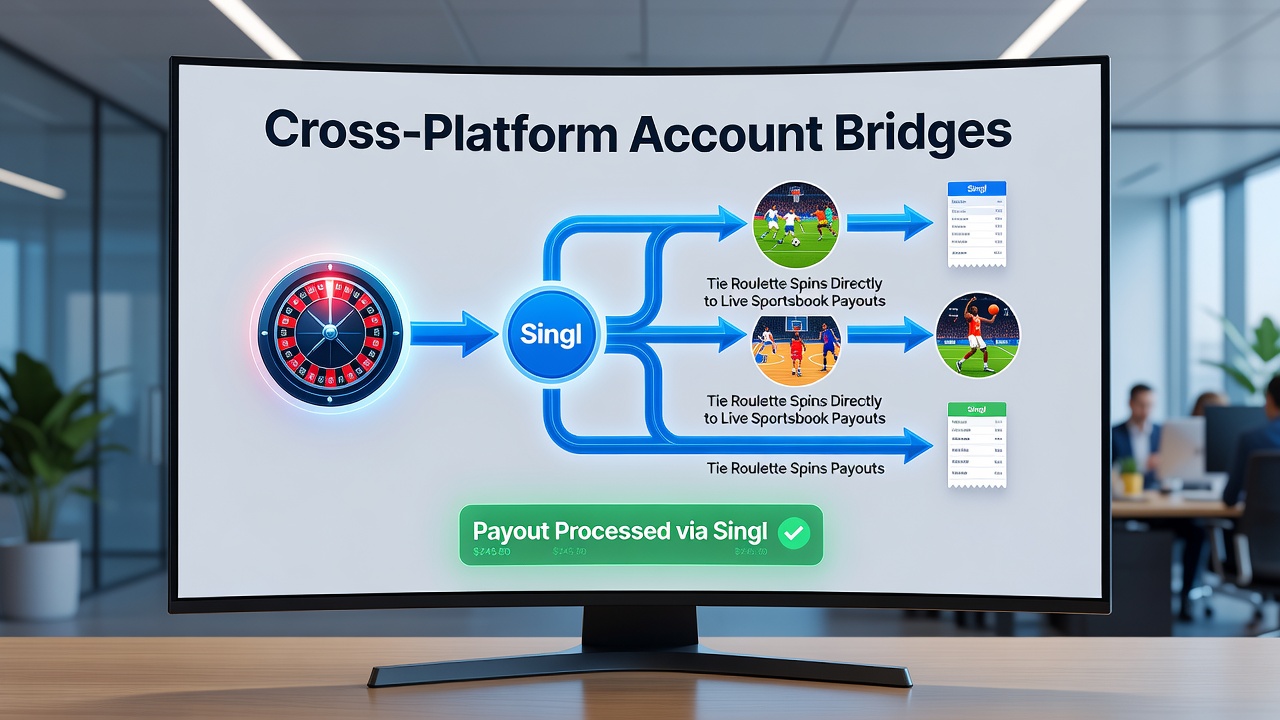
What's notable is how these systems handle multi-platform access, where desktop roulette sessions update mobile sportsbook views without re-authentication. Canadian regulatory data from the Alcohol and Gaming Commission of Ontario highlights that bridged accounts maintained compliance standards while supporting higher transaction speeds during peak sports seasons overlapping with casino table play.
Technical Infrastructure Supporting the Bridges
Backend frameworks use shared databases and real-time synchronization protocols to ensure roulette spin results reflect immediately in sportsbook payout calculations. Developers design the verification layer to authenticate once across environments, then maintain the link through session tokens that expire only after full logout. This approach prevents duplicate checks while securing data flows between the roulette wheel outcomes and sports event settlements.
Industry reports from the European Gaming and Betting Association detail how such infrastructure cuts processing overhead, as operators manage one identity record instead of separate casino and sportsbook profiles. The bridges also incorporate fraud detection that monitors combined activity patterns, flagging inconsistencies across roulette and sports transactions in unified logs.
Examples from Operational Platforms
One documented implementation at a major North American operator allowed roulette players to apply spin winnings directly to live football bets through the shared verification, with payouts processed from the consolidated balance. Another case involved Australian market platforms where single sign-on bridges handled thousands of daily cross-vertical moves, linking baccarat-style roulette variants to horse racing sportsbook results without additional steps.
Those who've examined the data from these deployments find that error rates in fund allocation dropped notably once the bridges activated, since the system reconciles everything under one verified session. The setup supports both instant and scheduled payouts, where roulette-derived funds can cover sportsbook losses or accumulate for larger withdrawals tied to sports outcomes.
Conclusion
Cross-platform account bridges continue to evolve as operators refine the single verification model to handle increasing volumes of roulette and sportsbook interactions. These systems demonstrate measurable efficiency gains in transaction handling, with direct connections between spin results and payout requests becoming standard in multiple jurisdictions. Data from regulatory bodies and academic reviews supports the continued expansion of such integrations, as platforms prioritize seamless balance management across verticals while upholding compliance requirements.