Unified Gateways Streamline Live Dealer Access and In-Play Sports Markets Through Handheld Authentication
Written by Noah Schmitz · Aug 26, 2026
Unified Gateways Streamline Live Dealer Access and In-Play Sports Markets Through Handheld Authentication
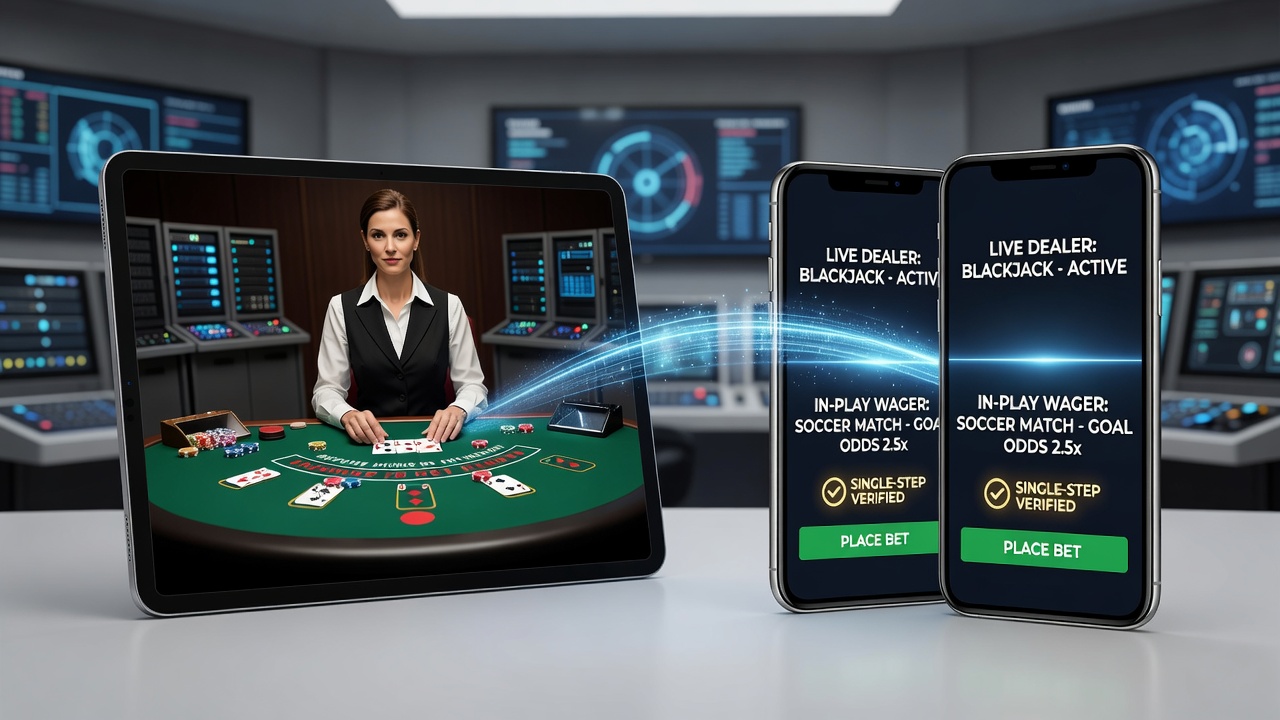
Payment gateways now connect live dealer tables directly to in-play wagering options on handheld devices through single-step verification processes that reduce friction during gameplay transitions, and data from industry reports indicates these systems handle increasing volumes of cross-category transactions each month. Observers note that operators in multiple jurisdictions have adopted token-based authentication combined with biometric checks to verify user identity once per session, which then permits seamless movement between table games and sports markets without repeated logins or funding steps.
Core Technologies Behind Single-Step Verification
Single-step verification relies on encrypted tokens generated at login that remain valid across integrated platforms, and researchers at institutions studying digital payments have documented how these tokens sync with live dealer interfaces and sportsbook engines simultaneously. According to findings shared by the American Gaming Association, operators using such gateways report average session times extending because players switch between roulette tables and live football markets without interruption from additional security prompts. The process incorporates device fingerprinting alongside facial recognition or fingerprint scans on mobile hardware, which maintains compliance standards set by regulatory bodies in various regions.
Integration Patterns Observed in August 2026
By August 2026 several major platforms had rolled out updates that embed live dealer feeds within the same wallet interface used for in-play sports bets, and figures from state regulators show continued growth in combined transaction counts. These gateways pull real-time odds from sportsbooks while displaying dealer actions on the same screen, allowing users to place a wager on a blackjack hand and immediately shift funds to an in-play tennis market through one confirmation tap. Experts have observed that this convergence reduces cart abandonment rates during peak evening hours when live events overlap with table game popularity.
Regional Adoption and Regulatory Context
North American operators have expanded these systems following updates from bodies such as the Alcohol and Gaming Commission of Ontario, which published guidelines on unified payment rails for multi-vertical gaming, and similar frameworks appear in Australian state licensing conditions that emphasize rapid yet secure fund movement. Data indicates that platforms incorporating single-step verification see higher cross-category play volumes, particularly when handheld users engage both dealer-hosted blackjack and live basketball betting within the same hour. Industry analyses reveal that encryption protocols must meet standards equivalent to those required for financial institutions, which ensures player funds remain isolated even when multiple game types draw from a shared balance.
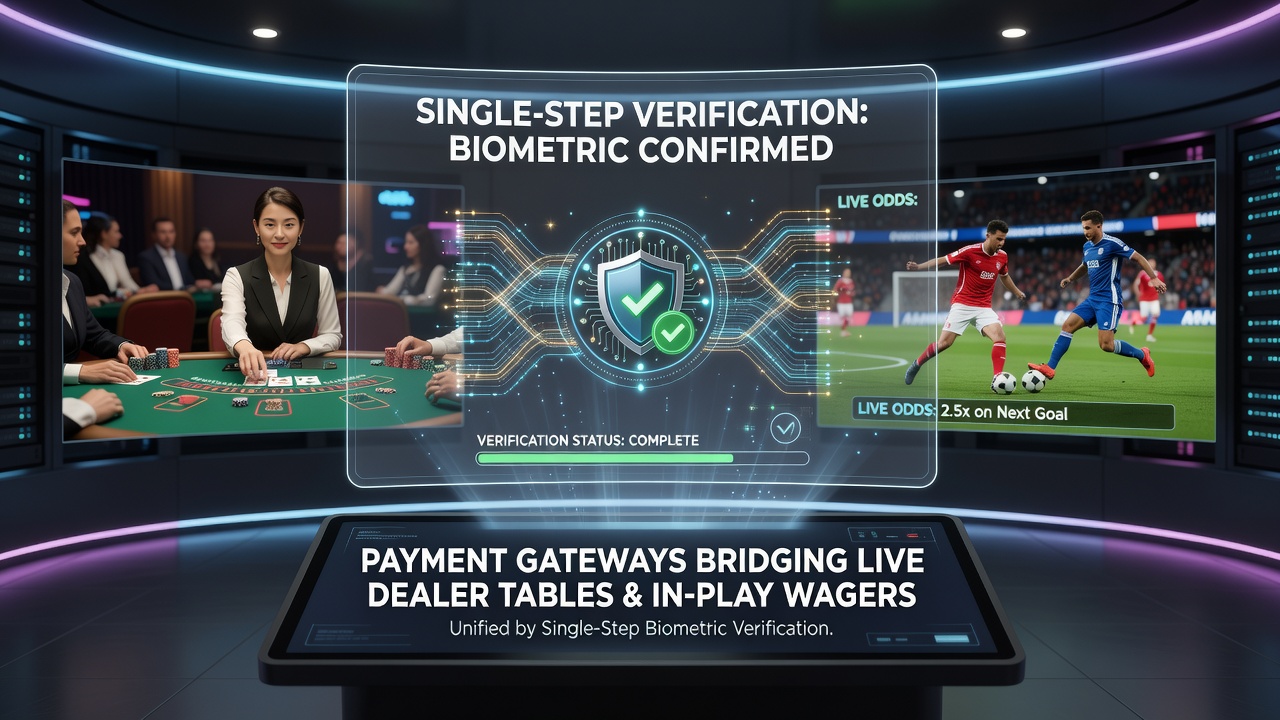
Take one case documented in operator reports where a user authenticated once on a smartphone, then moved between European roulette and an ongoing soccer match without re-entering payment details, and similar patterns appear across multiple markets. Those who have examined transaction logs note that average verification time drops below two seconds once the initial token activates, which supports continuous engagement during fast-moving live events.
Security Measures and Transaction Flow
Security architectures combine multi-factor elements into a single user action by leveraging hardware security modules on mobile devices, and studies from payment technology firms show these methods maintain fraud rates comparable to traditional multi-step processes. When a player selects a live dealer seat, the gateway validates the existing token against both the table management system and the sportsbook ledger in parallel, then confirms the action with one biometric prompt. Observers note that this parallel validation prevents discrepancies between displayed balances and actual available funds across verticals.
Additional safeguards include real-time monitoring for unusual patterns across dealer and sports activity, while regulatory filings from various jurisdictions require operators to maintain separate ledgers that reconcile automatically at the end of each session. Research indicates that gateways built on these principles handle peak loads during major sporting tournaments without delays that previously occurred when separate verification steps interrupted live dealer rounds.
Future Developments in Gateway Architecture
Developers continue refining application programming interfaces that allow third-party providers to plug live dealer streams into existing sportsbook wallets, and early tests in controlled environments demonstrate stable performance when multiple concurrent sessions run on the same device. According to a report published by Monash University researchers on digital transaction systems, the shift toward unified gateways aligns with broader trends in mobile commerce where single authentication supports diverse service categories. Operators in several markets have begun pilot programs that extend these capabilities to additional game types while preserving the single-step verification model established for live tables and in-play wagers.
Conclusion
Payment gateways that merge live dealer tables with in-play wagering through single-step handheld verification continue to evolve as operators respond to regulatory expectations and user behavior data. The combination of token persistence, biometric confirmation, and parallel ledger updates enables fluid movement between categories, and evidence from multiple sources shows sustained adoption across regulated markets into late 2026. These systems prioritize security alongside speed, which supports ongoing integration efforts without compromising compliance requirements.