Synchronizing Digital Registration Processes with Funding and Live Dealer Entry in Handheld Gaming Platforms
Written by Noah Schmitz · Aug 15, 2026
Synchronizing Digital Registration Processes with Funding and Live Dealer Entry in Handheld Gaming Platforms
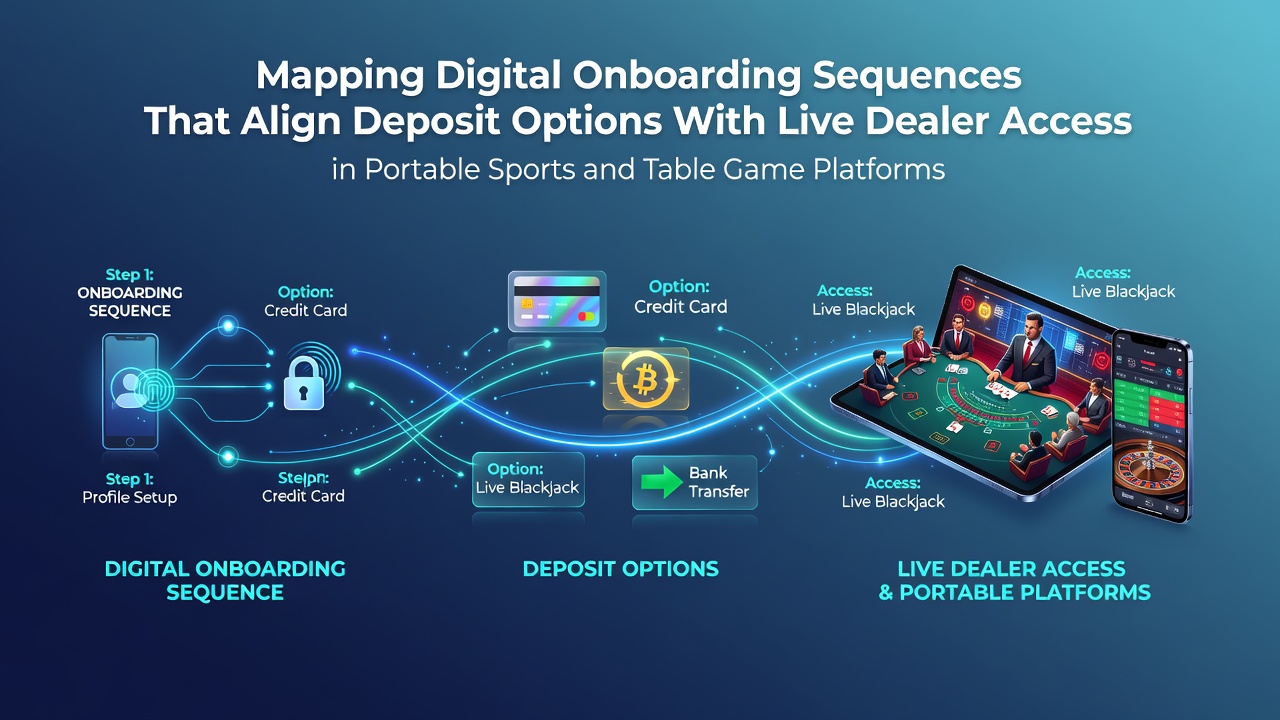
Platforms that combine mobile sports betting with table games have refined their entry sequences to connect user verification directly to payment methods and real-time dealer sessions, creating streamlined paths that reduce friction while meeting regulatory standards across multiple jurisdictions. Data from 2026 shows these sequences often begin with basic account creation followed by identity checks that unlock deposit options, which in turn grant immediate entry to live dealer environments without additional steps.
Core Components of Mobile Onboarding Sequences
Registration typically starts with email or phone verification, after which users provide identification documents through integrated scanning tools that comply with local rules in regions such as Ontario and Australia. Once verified, the system presents deposit choices ranging from e-wallets to bank transfers, and successful funding activates live dealer access for games like blackjack and roulette alongside sports wagering interfaces. Observers note that this alignment prevents users from reaching dead ends where deposits succeed but dealer tables remain locked, a common issue in earlier platform designs.
Portable apps now embed these steps into a single workflow, using API connections that update user status in real time so that a completed deposit triggers automatic session tokens for live video streams. Research from industry reports indicates that August 2026 saw increased adoption of such unified sequences, particularly in markets where mobile traffic accounts for over 70 percent of total wagers.
Aligning Deposit Options with Live Access Features
Payment gateways integrate with backend systems to flag accounts as funded and eligible for live dealer play, often within seconds of transaction completion. This synchronization relies on conditional logic that checks balance thresholds and geographic permissions before routing users to dealer lobbies or sports event streams. Those who've studied platform architectures find that pre-authorization of deposits during onboarding allows for instant activation, reducing drop-off rates during the transition from registration to active play.
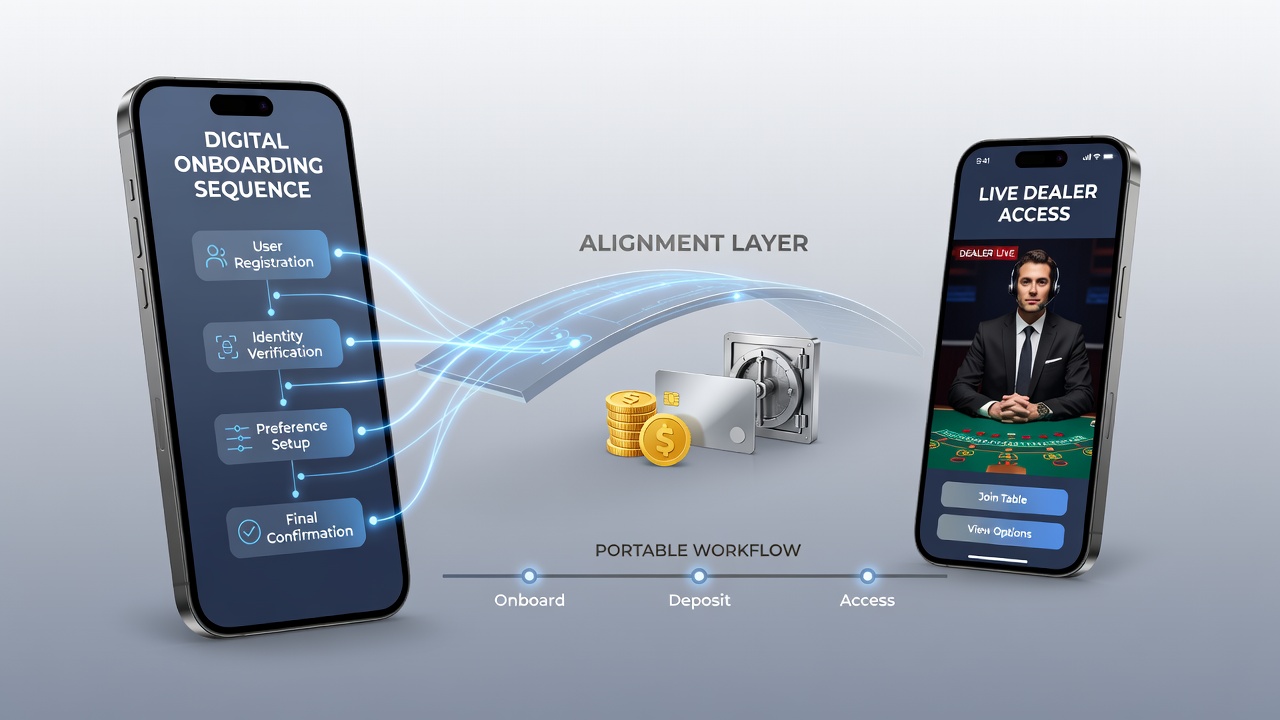
Examples include sequences where credit card deposits unlock both sportsbook markets and live table options simultaneously, while cryptocurrency options may require an extra confirmation layer due to volatility checks. According to the Alcohol and Gaming Commission of Ontario, platforms operating under its oversight must demonstrate these connections function reliably to maintain licensing compliance. The result appears in user dashboards that display available live sessions immediately after funding clears.
Integration Across Sports and Table Game Environments
Mobile platforms map these sequences differently depending on whether the focus is sports events or table games, yet the underlying logic remains consistent: deposit confirmation serves as the gatekeeper for live dealer feeds. Sports sections often prioritize event timing, so onboarding flows push users toward pre-match deposits that carry over to in-play dealer tables once events begin. Table game sections emphasize continuous availability, allowing funded accounts to enter dealer sessions at any hour without re-verification.
Studies from the Australian Gambling Research Centre reveal that successful mappings reduce average time from sign-up to first live dealer interaction to under four minutes in optimized apps. Developers achieve this through modular code that separates verification, funding, and access layers while maintaining data flow between them. Platforms handling both sports and table content use shared databases so a single deposit satisfies requirements for multiple game types.
Regulatory and Technical Considerations in 2026
August 2026 brought updates to digital identity standards in several North American and European markets, prompting platforms to embed real-time compliance checks into onboarding sequences. These checks verify deposit sources against watchlists before live dealer access activates, ensuring adherence to anti-money laundering protocols without interrupting user flow. Technical teams rely on encrypted token exchanges that pass status updates between payment processors and gaming servers, preventing mismatches where a user can deposit yet cannot reach dealer tables.
Industry associations such as the European Gaming and Betting Association have documented case studies where mismatched sequences led to user complaints and temporary access restrictions. Updated mappings now include fallback options, such as manual review prompts for high-value deposits, that still route eligible users to live sessions once cleared. This approach maintains both security and continuity across portable devices.
Conclusion
Effective mapping of digital onboarding with deposit and live dealer elements continues to shape how portable sports and table game platforms operate in 2026. Data indicates that platforms prioritizing these connections achieve higher retention through reduced barriers between registration and active play. As regulatory environments evolve, the focus remains on maintaining seamless yet compliant pathways that support both sports wagering and live table experiences on mobile devices.