Regulatory Systems Directing Mobile Platform Integration for Table Games and Athletic Event Markets
Written by Finley Schröder · Aug 17, 2026
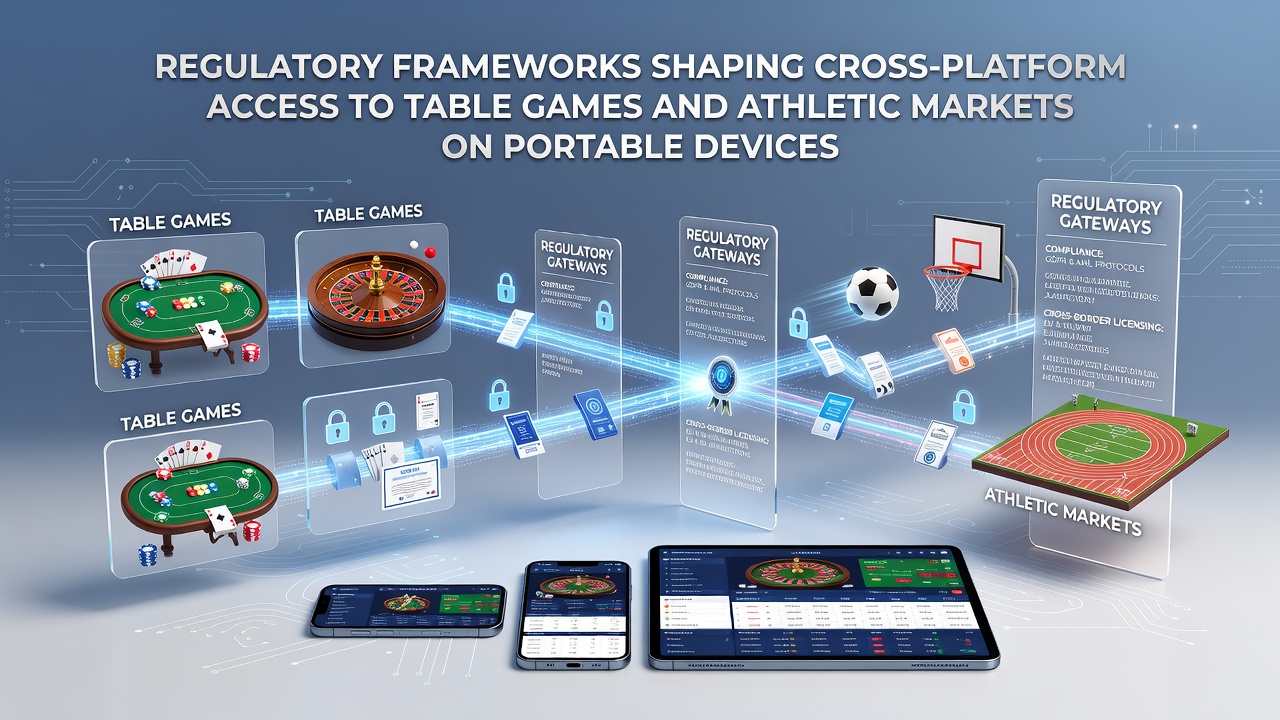
Regulatory Systems Directing Mobile Platform Integration for Table Games and Athletic Event Markets
Regulatory systems across multiple jurisdictions shape how operators deliver table games and athletic event markets through portable devices, with rules focused on licensing, user verification, and platform interoperability. These frameworks emerged from earlier land-based restrictions and evolved alongside smartphone adoption, creating layered requirements that companies must meet before offering real-money play on phones and tablets. Data from government agencies shows that compliance costs have risen steadily since 2022, particularly in regions where mobile transactions now account for over 70 percent of total wagers.
United States State-Level Approaches
Individual states in the US maintain separate licensing regimes that directly affect cross-platform access, requiring operators to secure mobile-specific approvals even when desktop versions already exist. New Jersey's Division of Gaming Enforcement, for instance, mandates geofencing technology and real-time location checks for every session, while Pennsylvania's gaming control board enforces similar standards with added emphasis on responsible gaming pop-ups triggered after set play durations. Observers note that these state rules often require separate testing for each operating system version, which lengthens approval timelines and forces developers to maintain parallel codebases for iOS and Android deployments.
As of August 2026 several additional states have introduced bills that would allow shared player databases across borders, a move that could reduce duplication for companies operating in multiple markets. Figures released by state regulators reveal that mobile handle in New Jersey alone exceeded $1.2 billion in the first half of 2026, underscoring why portable device rules remain a priority for legislators.
Canadian Provincial Structures
Canadian provinces operate under a different model, with Ontario's Alcohol and Gaming Commission of Ontario overseeing a centralized marketplace that permits multiple operators to offer both table games and sports markets through a single regulatory gateway. This structure requires all platforms to integrate with a central wallet system, ensuring that player funds remain segregated regardless of whether access occurs on a phone, tablet, or computer. Research from the Canadian Gaming Association indicates that provinces adopting this approach have seen faster mobile adoption rates compared with jurisdictions that maintain fragmented licensing.
Quebec and British Columbia continue to operate government-run monopolies that limit third-party apps, yet both have begun piloting partnerships that would extend limited mobile access to table games while maintaining strict controls on sports markets. Those who've studied these pilots report that cross-platform compatibility testing now forms a mandatory step before any new game release.
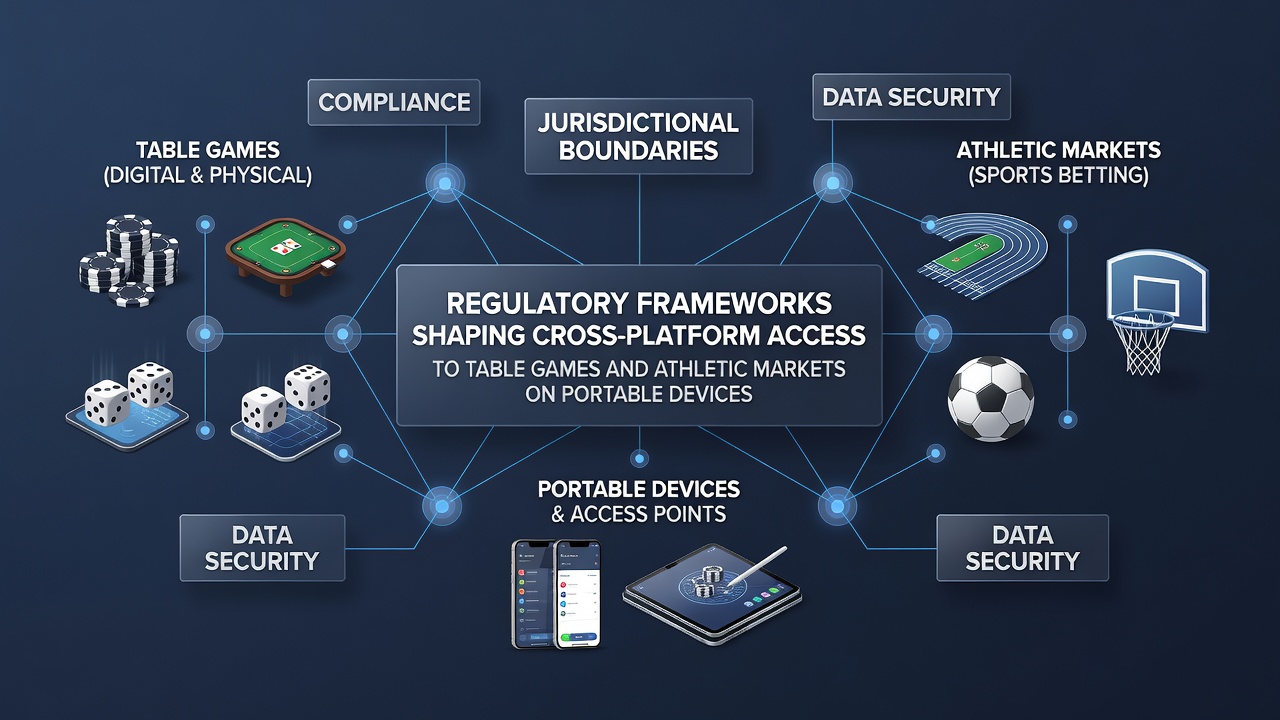
European and Australian Regulatory Patterns
European countries apply a mix of national and supranational rules that influence how portable devices connect to both table games and athletic markets. The European Commission has issued guidance on consumer protection that member states must incorporate into their licensing criteria, including mandatory age-verification protocols and restrictions on bonus structures that could encourage extended sessions on mobile apps. Malta and Sweden maintain comprehensive online licensing regimes that explicitly cover cross-platform play, requiring operators to demonstrate equivalent functionality and security across all device types before receiving approval.
Australia's state-based system, administered through bodies such as the South Australian Independent Gambling Authority, imposes additional technical standards for mobile apps, including mandatory session timers and spending caps that reset daily. Reports from the Australian Institute of Family Studies highlight that these measures were introduced after data showed mobile users accounted for a disproportionate share of high-frequency betting activity. Companies operating across both continents must therefore reconcile differing technical specifications, which often results in region-specific app versions rather than a single unified platform.
Technical and Compliance Challenges
Cross-platform access creates technical hurdles because regulators demand that security features, such as encryption and transaction logging, function identically whether a player uses a phone, tablet, or desktop browser. Industry associations have documented cases where operators delayed mobile launches by several months while they aligned their systems with updated verification standards. Payment processing rules add another layer, with some jurisdictions requiring that deposits and withdrawals occur only through licensed local providers, a restriction that affects instant transaction options on portable devices.
Those responsible for compliance often cite the need for continuous monitoring of device operating system updates, since changes in iOS or Android security protocols can inadvertently affect regulatory compliance. Data from trade groups shows that operators allocate between 15 and 25 percent of their technology budgets to regulatory reporting and testing related to mobile offerings.
Conclusion
Regulatory frameworks continue to evolve in response to technological shifts and player behavior patterns, with each jurisdiction balancing market access against consumer protection priorities. Companies seeking to offer table games and athletic markets on portable devices must navigate a patchwork of licensing, technical, and reporting requirements that differ by region and device type. As mobile wagering volumes grow, these oversight systems will likely incorporate new standards for data sharing and interoperability while maintaining core principles of verification and responsible play. Government reports from multiple countries indicate that coordinated approaches across borders remain limited, leaving operators to manage compliance on a market-by-market basis for the foreseeable future.