Regulatory Evolution Reshapes Secure Protocols in Mobile Live Table and Sports Betting Convergence
Written by Noah Schmitz · Aug 12, 2026
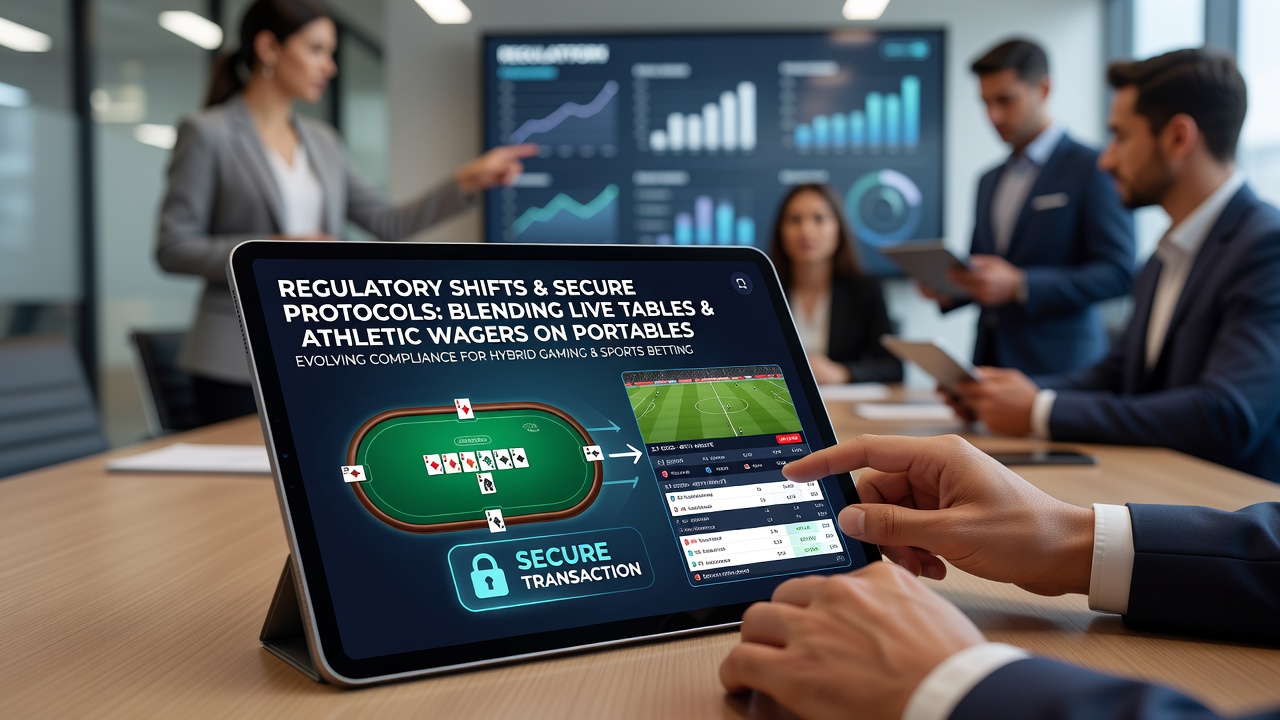
Regulatory Evolution Reshapes Secure Protocols in Mobile Live Table and Sports Betting Convergence
Regulatory bodies across multiple jurisdictions have updated compliance requirements for digital payment systems that support combined live dealer tables and real-time sports wagers on smartphones and tablets, and these adjustments have prompted operators to overhaul encryption standards along with verification processes. Data from industry tracking services shows transaction volumes in this blended category grew steadily through the first half of 2026, while security mandates tightened in response to rising concerns over data integrity and fund protection. Observers note that platforms must now incorporate multi-layered authentication for every switch between live table sessions and athletic event markets without interrupting the user flow.
Key Regulatory Updates Affecting Transaction Security
Agencies in North America and Europe implemented revised guidelines during spring 2026 that require real-time monitoring of cross-product transfers between casino-style games and sports books, and these rules emphasize end-to-end encryption plus tokenized account linkages. The New Jersey Division of Gaming Enforcement released documentation outlining mandatory audit trails for any mobile session that moves funds from a live roulette table directly into a football wager, while similar frameworks emerged in several Canadian provinces. Researchers at academic institutions studying digital finance in gaming environments have documented how these protocols reduce latency yet maintain compliance checkpoints at each step.
Operators responded by deploying updated application programming interfaces that handle instant verification across both verticals, and reports indicate testing phases concluded successfully by July 2026. Figures from regional oversight groups reveal that platforms adopting these measures experienced fewer compliance flags during routine reviews, although smaller developers faced higher initial integration costs. What's interesting is how the changes align with broader financial technology standards already in use outside gaming, allowing seamless adoption of established security tools.
Impact on Mobile Platform Architecture
Portable device applications now route all blended transactions through centralized compliance engines that validate both identity and fund source before permitting play to continue, and this architecture prevents common vulnerabilities associated with rapid switching between live dealer interfaces and odds displays. Data compiled by trade associations shows average session lengths increased after these upgrades because users encountered fewer interruptions from security prompts. In August 2026 several major markets reported stable growth in combined product usage, with transaction success rates holding above previous benchmarks according to aggregated operator disclosures.

Engineers at development firms specializing in gaming software integrated biometric confirmation alongside traditional password systems, and this combination satisfies new rules while preserving speed for time-sensitive sports bets. One study from a European research consortium found that systems employing such hybrid verification cut unauthorized access attempts by measurable margins without extending processing times beyond acceptable thresholds. Those who've examined the technical specifications note that the protocols also support geofencing requirements that vary by jurisdiction, ensuring transactions remain confined to authorized regions throughout each session.
Global Variations in Implementation
Different regions have introduced distinct timelines and technical thresholds for these security enhancements, and operators active across borders must maintain separate compliance modules for each market. Australian regulatory updates focused on data residency requirements for transaction logs tied to live table and sports activity, whereas certain U.S. state frameworks prioritized instant reporting of high-value transfers. Industry organizations such as the European Gaming and Betting Association have published comparative analyses that help companies navigate these differences, and the reports highlight how unified standards could eventually emerge from current fragmentation.
Payment processors serving the sector adjusted their offerings to include modular services that slot into existing mobile frameworks, and adoption metrics from mid-2026 indicate larger operators completed transitions ahead of smaller competitors. Academic papers examining the intersection of regulatory compliance and user experience document that well-designed systems maintain engagement levels while meeting new mandates, whereas rushed implementations sometimes led to temporary drops in activity.
Future Outlook for Secure Blended Transactions
Continued refinement of these protocols appears likely as regulators monitor outcomes from the 2026 changes, and early indicators suggest further emphasis on artificial intelligence tools for anomaly detection during cross-product sessions. Organizations tracking global gaming trends project sustained investment in infrastructure that supports both live table continuity and athletic wagering flexibility on portable devices, with emphasis on maintaining auditability at every layer. Those monitoring the space observe that successful platforms treat regulatory compliance as an integrated component rather than an add-on feature, allowing smoother evolution as requirements develop.
Conclusion
The convergence of live table play and athletic event wagers on mobile devices continues to drive targeted updates to secure transaction protocols under evolving regulatory landscapes, and evidence from multiple jurisdictions demonstrates measurable shifts in operational practices by August 2026. Companies that align their systems with these requirements position themselves for sustained functionality across diverse markets while preserving the seamless experience users expect during blended sessions.