Promotion Frameworks Uniting Live Table Games with Mobile Sports Betting Journeys
Written by Noah Schmitz · Jun 13, 2026
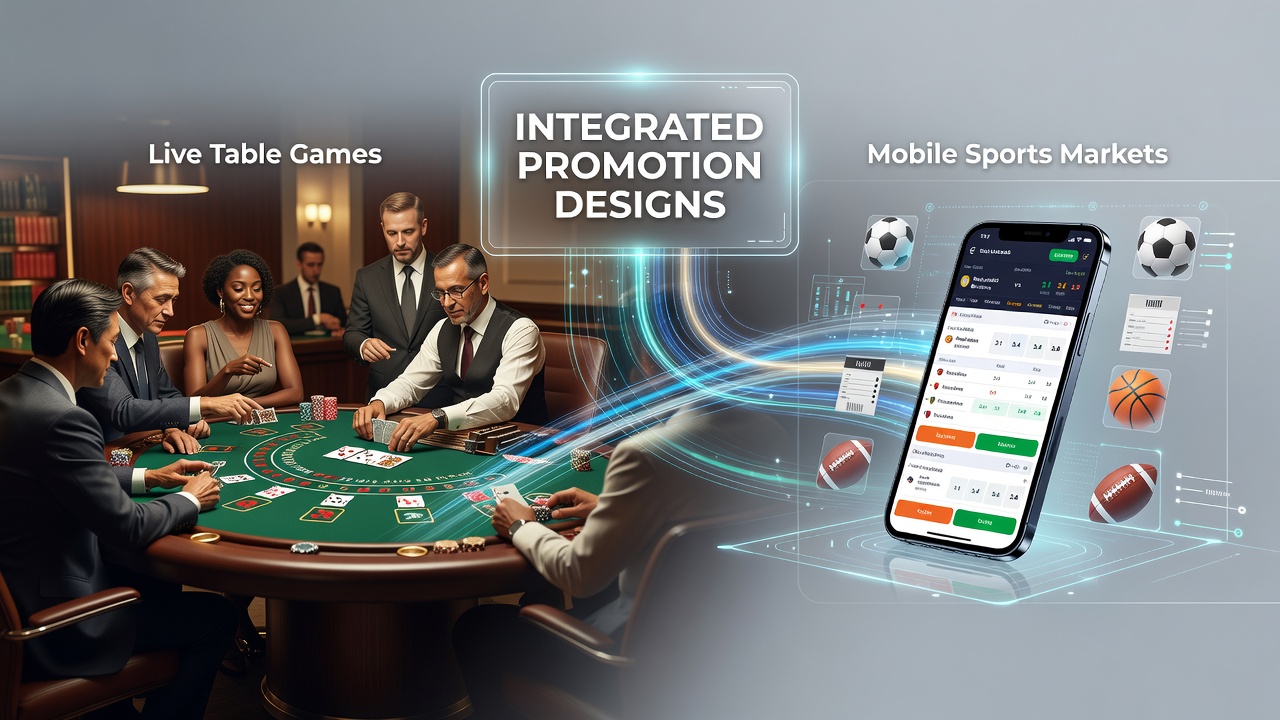
Promotion Frameworks Uniting Live Table Games with Mobile Sports Betting Journeys
Integrated promotion designs have emerged as a core mechanism for linking player activity across live table games and mobile sports markets, where operators deploy unified incentive structures that reward participation in both segments without requiring separate accounts or isolated bonus pools. These frameworks typically combine elements such as shared loyalty points, cross-eligible deposit matches, and milestone rewards that activate when users transition from one format to another, allowing a single wagering session to contribute toward benefits redeemable in either environment. Data from multiple jurisdictions shows that operators implementing these systems recorded measurable increases in session frequency during the first half of 2026, particularly in markets where regulatory approvals for multi-product licensing had already been secured.
Mechanics Behind Cross-Format Incentive Structures
Operators construct these promotions through backend systems that track player behavior across verticals in real time, assigning value to actions like completing a live dealer roulette round or placing a mobile sports wager on a live event. Points accumulated in one area convert automatically to credits usable in the other, while tiered bonuses scale based on combined volume rather than isolated metrics. In June 2026 several large platforms reported that such unified tracking reduced player churn by synchronizing reward delivery with natural transitions between table sessions and sports markets, eliminating the friction of logging into separate interfaces or meeting distinct playthrough requirements.
Technical integration relies on API connections between live game servers and mobile sportsbook engines, ensuring that every qualifying transaction updates a central profile visible on both desktop and handheld devices. Players receive notifications that detail remaining thresholds for unlocking rewards, whether those thresholds involve table game hands or sports bet settlements. This approach maintains regulatory compliance by logging all transfers through auditable channels that state gaming authorities can review on demand.
Regional Adoption Patterns in Mid-2026
North American markets have seen widespread rollout of these designs following expansions in states that permit both online table games and sports wagering under single licenses. European and Asian operators have adopted similar models where local rules allow simultaneous operation of live dealer studios and mobile sports books. According to figures published by the New Jersey Division of Gaming Enforcement, platforms utilizing integrated promotions accounted for a growing share of total handle in early 2026, with live table activity feeding directly into sports market engagement through shared bonus wallets. Parallel reports from the Australian Communications and Media Authority highlight comparable patterns in licensed interactive wagering services operating across state borders.

One study conducted by researchers at the University of Nevada, Las Vegas examined transaction logs from operators that introduced cross-vertical promotions and found that average player lifetime value rose when incentives bridged live tables and mobile sports rather than treating each product as a standalone offering. The analysis covered activity through June 2026 and noted that participants who received combined rewards completed more table game rounds before shifting to sports betting, creating longer overall engagement chains without increasing problem gambling indicators tracked by the operators.
Player Journey Mapping and Reward Delivery
Promotion architects map typical player paths that begin with live table entry points such as blackjack or baccarat sessions and then move toward in-play sports wagers on the same mobile application. Designers place trigger events at natural breakpoints, for example after a table game win streak or following a completed sports event, to present offers that encourage continued play in the alternate format. These offers often include partial cashback on table losses that converts into free bets for upcoming sports markets, or deposit bonuses unlocked only after both a table session and a sports wager have been recorded within a defined window.
Case examples from operators in Pennsylvania and Ontario demonstrate that such sequenced incentives maintain compliance with responsible gaming tools because all promotions route through the same age-verification and limit-setting systems. Players who set deposit caps on mobile sports activity automatically see those limits reflected when they switch to live table interfaces, preventing unintended overspending across connected products.
Conclusion
Promotion frameworks that connect live table games with mobile sports markets continue to evolve through refinements in data synchronization and regulatory alignment. Operators rely on these designs to maintain continuous player engagement while meeting reporting obligations across jurisdictions. As additional markets authorize combined product offerings, the underlying architecture for unified incentives remains a central component of platform development strategies documented in industry filings through mid-2026.