Player Shifts: From Reel Machines to Esports Modules in Integrated Betting Platforms
Written by Finley Schröder · Jun 15, 2026
Player Shifts: From Reel Machines to Esports Modules in Integrated Betting Platforms
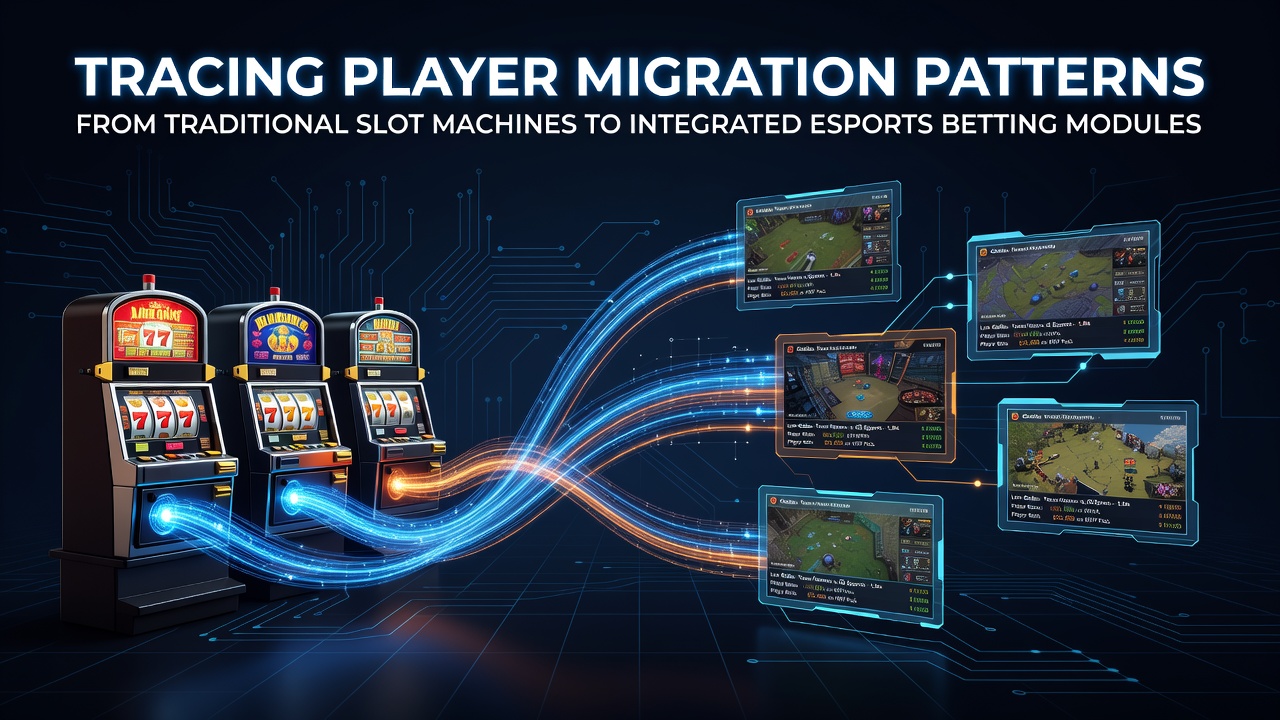
Traditional slot machines once dominated casino floors with their mechanical reels and fixed payout structures, yet data from multiple jurisdictions shows steady movement toward platforms that combine esports betting modules with familiar game elements. Observers note this transition accelerated as operators embedded real-time esports wagers into the same apps that once handled only slot spins, creating seamless pathways for users who previously stayed within mechanical or video slot environments.
Figures from the Nevada Gaming Control Board indicate that while slot revenue remained stable through early 2026, segments tied to integrated sports and esports options recorded double-digit growth in handle during the first half of the year. Researchers tracking account-level behavior found that players who logged frequent slot sessions in 2024 began allocating portions of their activity to esports event betting by mid-2026, often within the same digital wallet and loyalty program.
Demographic Drivers Behind the Movement
Younger cohorts born after 1995 entered gaming venues with existing familiarity in competitive video gaming, which altered how they approached chance-based entertainment. Studies compiled by the University of Nevada, Reno documented that this group showed higher rates of cross-category play once operators introduced esports betting alongside slot libraries, whereas older demographics maintained steadier engagement with traditional machines. The pattern emerged because integrated modules allowed users to switch between reel-based games and live esports odds without leaving the platform or creating separate accounts.
Operators in states such as New Jersey and Pennsylvania reported similar trends through anonymized transaction data, where session times that previously centered on slots expanded to include esports matches during the same login. What's interesting here is how the infrastructure change itself facilitated the shift rather than any deliberate marketing push, since many platforms simply added the new betting category to existing mobile interfaces.
Technology Integration and Platform Changes
Integrated esports betting modules function by pulling live data feeds from organized competitions in titles like League of Legends and Counter-Strike, then presenting odds within the same menu structure used for slot selections. This technical overlap means players encounter esports options while scrolling through game libraries, reducing friction that once separated physical slot play from event-based wagering. Data shows session frequency increased when these features appeared side by side, because users could alternate between automated reel spins and manual bet placement on matches without additional downloads or navigation steps.
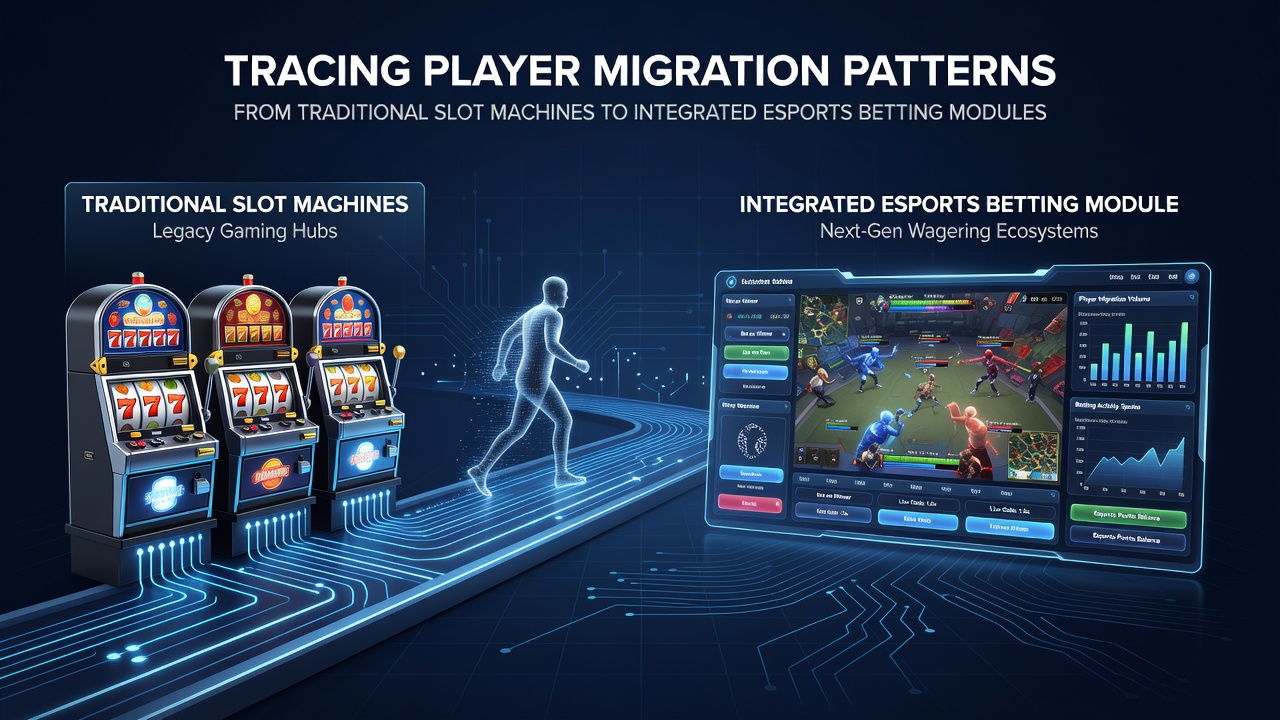
Payment rails and bonus systems also aligned across categories, allowing promotional credits earned on slots to apply directly to esports wagers. Australian regulatory filings from the past year highlighted comparable unification in licensed venues, where operators merged reward ledgers so that activity in either format contributed to the same tier status. The result appears in aggregated reports as gradual redistribution of play volume rather than outright replacement of one format by another.
Regional Patterns Observed Through Mid-2026
In North American markets that legalized online gaming, migration showed clearest movement during evening hours when esports tournaments overlapped with typical slot play windows. European operators documented parallel activity through aggregated tax filings, noting that jurisdictions with established esports leagues saw faster uptake once modules integrated into existing casino apps. Canadian provincial data from Ontario revealed that hybrid accounts grew at a faster clip than pure slot-only accounts between January and June 2026, suggesting the combined offering retained users who might otherwise have limited activity to mechanical machines alone.
One study revealed that loyalty program redemptions began crossing categories more frequently, with points accumulated from slots redeemed for esports bet credits and vice versa. This interconnection reinforced the migration because users experienced continuity rather than separate ecosystems.
Behavioral Metrics and Retention Data
Account analytics indicate that players who added esports bets to their routines maintained higher overall activity levels than those who remained exclusively with slots. Retention curves tracked over six-month periods showed slower decay rates for hybrid users, particularly when live event timing aligned with traditional peak slot hours. The ball's in the operators' court to maintain these connections through continued module refinements, since the underlying data already demonstrates sustained engagement once the categories share infrastructure.
Turns out the migration does not eliminate slot play but redistributes time allocation within single accounts, which aligns with observations from multiple regulatory filings across different continents. Those who've studied player logs note that total handle per account often rises when both formats coexist, because the variety reduces session-ending boredom that previously occurred after extended reel play.
Conclusion
Evidence from regulatory bodies, academic tracking, and operator reports points to a measurable redistribution of player activity from standalone slot environments toward platforms that embed esports betting modules directly alongside them. This shift appears driven by technical integration, demographic familiarity, and unified reward structures rather than any single external factor. Data through June 2026 continues to reflect steady expansion of hybrid usage patterns across licensed markets, with retention and activity metrics supporting the ongoing convergence of these previously distinct formats.