Player Entry Pathways Shape Transaction Efficiency Across Integrated Betting Systems
Written by Noah Schmitz · Jul 20, 2026
Player Entry Pathways Shape Transaction Efficiency Across Integrated Betting Systems
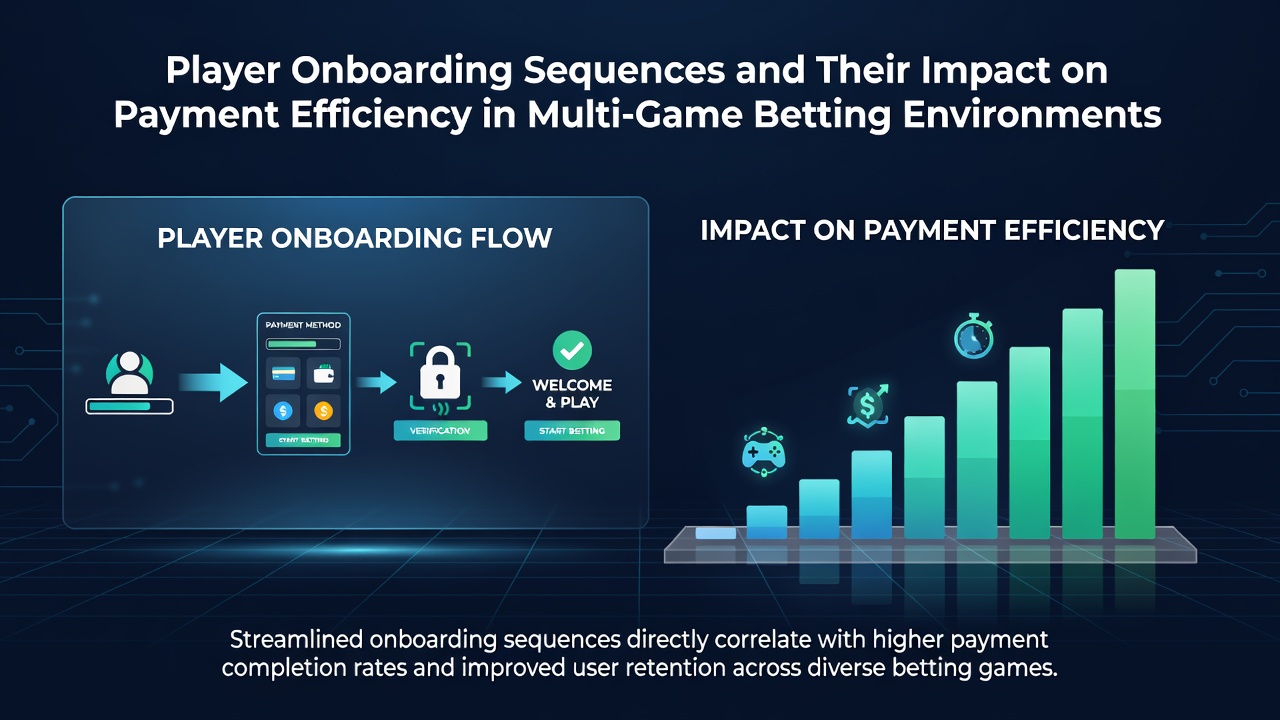
Registration sequences in multi-game betting platforms combine identity verification steps with initial funding mechanisms, and these elements directly affect how quickly users complete deposits while accessing slots, live dealer tables, and sportsbooks simultaneously. Observers note that streamlined sequences reduce friction points where players abandon carts before funding accounts, whereas lengthy processes correlate with higher drop-off rates before any transactions occur. Research from industry analyses shows that platforms optimizing these flows report faster average payment completion times, often measured in minutes rather than hours, because verification data feeds directly into payment processor approvals without redundant checks.
Core Elements of Onboarding Flows
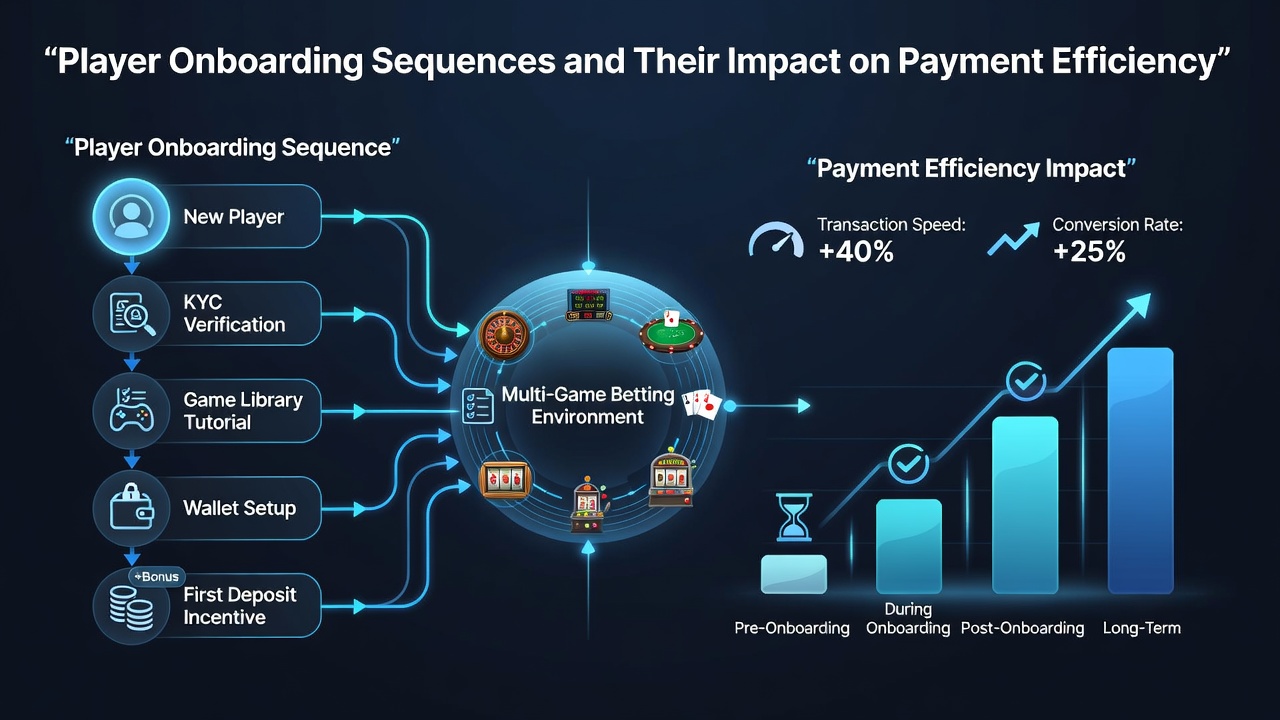
Effective sequences start with basic account creation using email or phone verification, then move into know-your-customer protocols that collect government-issued documents and address proofs, yet platforms integrate these steps with payment method selection to allow instant deposits once basic identity clears. Automated tools scan submissions in real time, and when matches occur, the system unlocks funding options without requiring users to re-enter details. Those who've studied platform architectures find that embedding payment gateways early in the sequence, right after initial profile setup, cuts total onboarding duration by up to 40 percent according to aggregated operational data.
Multi-factor authentication layers add security during these early stages, but they also tie into banking integrations so that approved users trigger immediate transaction pathways. Data indicates that when biometric options like facial recognition pair with document uploads, approval rates climb because fewer manual reviews intervene, and this speed carries over to subsequent deposits across game types. Experts have observed that platforms handling slots alongside live roulette and event-based wagers benefit most, since unified verification prevents separate logins or re-verifications when players switch between verticals.
Direct Effects on Payment Processing
Payment efficiency improves when onboarding captures banking details and preferred methods during verification rather than after account activation, because pre-linked accounts enable one-tap funding that processes through established rails without additional setup delays. Studies reveal that users who complete funding within the first sequence exhibit lower abandonment on repeat transactions, while those who encounter separate payment prompts later show higher failure rates on initial attempts. In environments supporting multiple game categories, this integration matters because players often fund once and allocate across slots, table games, and sports markets in quick succession.
Regional Data Trends Emerging in Mid-2026
Figures from North American operators compiled through July 2026 demonstrate that optimized sequences correlate with transaction success rates exceeding 92 percent on first deposits, and similar patterns appear in Australian markets where regulatory frameworks encourage digital identity solutions. One analysis released by the Alberta Gaming, Liquor and Cannabis Commission highlights how integrated verification reduced average payment processing windows from 15 minutes to under three across participating sites. Meanwhile, academic reviews from institutions tracking European operators note parallel gains when sequences incorporate open banking protocols that pull verified financial data directly during signup.
Multi-Game Platform Considerations
Betting environments that combine slots, live dealer options, and sportsbook functionality require onboarding that accommodates varied user intents, and sequences designed with branching logic allow players to select primary interests early so payment preferences align accordingly. For instance, sports-focused users might link e-wallets optimized for quick event bets, whereas slot enthusiasts often prefer card-based recurring options that process micro-transactions efficiently. Researchers discovered that platforms failing to unify these preferences during initial flows experience fragmented payment data, which slows subsequent cross-game activity and increases support tickets related to funding issues.
Case examples from operators who unified sequences across verticals show that payment velocity increases because stored credentials apply universally once verified, eliminating the need for repeated authorizations when switching from live blackjack sessions to parlay wagers. What's interesting is how regulatory bodies in Canada and parts of Asia encourage such designs to maintain compliance while supporting seamless financial movement, and data from those jurisdictions indicates sustained growth in active funded accounts month over month through 2026.
Implementation Patterns Observed Across Operators
Many platforms now deploy progressive profiling that gathers essential payment information alongside identity checks, and this approach prevents users from reaching funding stages without necessary linkages already in place. When third-party services handle verification in parallel with payment provider integrations, the combined process completes faster and feeds accurate data into fraud detection systems that clear legitimate transactions without extra holds. Observers note consistent outcomes where platforms adopting these patterns report fewer chargebacks and higher lifetime transaction volumes per user across game portfolios.
Yet challenges remain when legacy systems require manual interventions at key junctions, because delays here propagate into payment queues and frustrate players attempting immediate deposits after signup. Solutions emerging in recent deployments involve API connections that sync verification status directly with payment processors, and operators implementing these report measurable lifts in completion metrics without compromising security standards required by oversight agencies.
Conclusion
Player onboarding sequences that embed payment setup within verification stages produce measurable gains in transaction efficiency, particularly within environments supporting simultaneous access to slots, live tables, and sports betting markets. Aggregated figures through July 2026 confirm these connections across multiple regions, and platforms continuing to refine these flows position themselves for sustained operational advantages as user expectations around speed continue evolving.