Mobile Gaming Surge: Lightning-Fast Slots, Immersive Live Dealers, and Bulletproof Sportsbook Wagers Reshape the Landscape
Written by Jordan Bauer · Mar 17, 2026
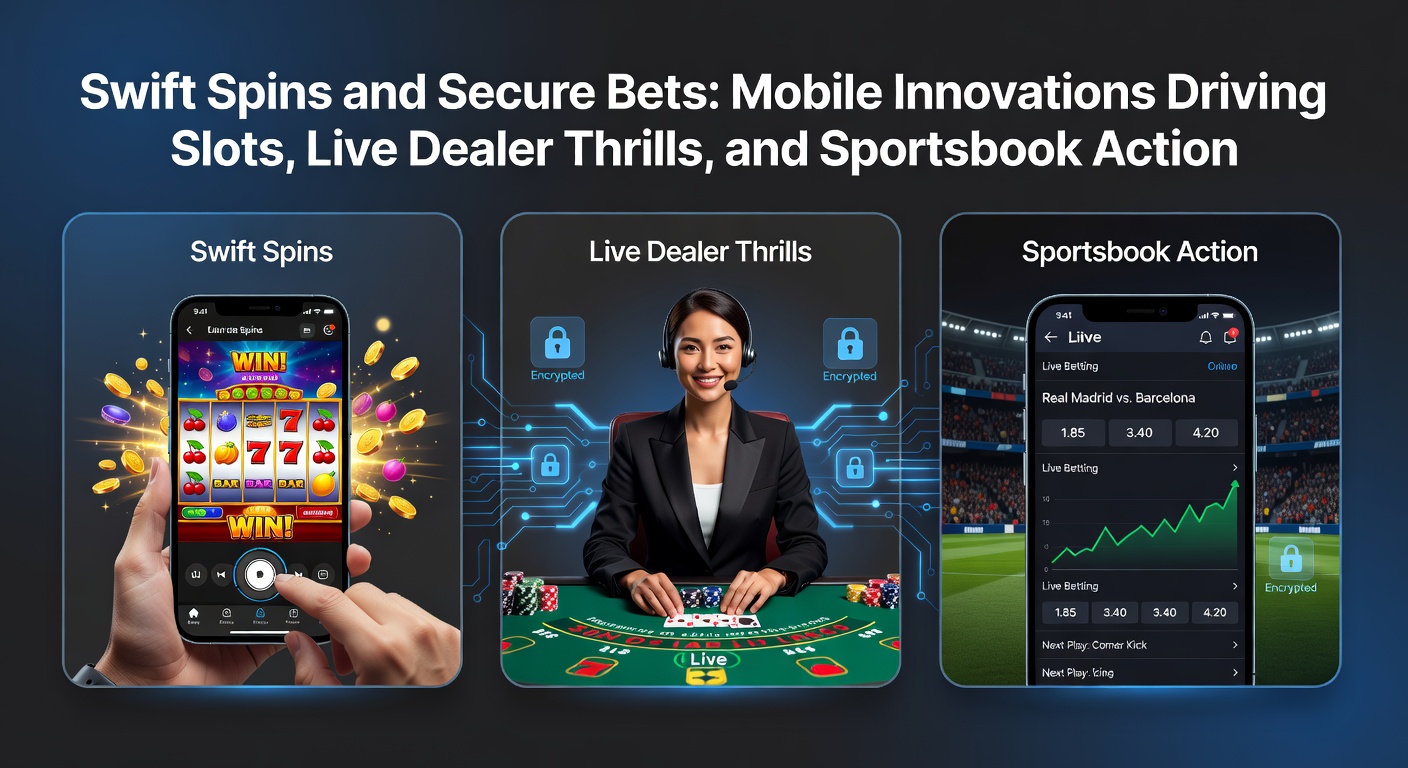
Mobile Gaming Surge: Lightning-Fast Slots, Immersive Live Dealers, and Bulletproof Sportsbook Wagers Reshape the Landscape
The Rise of On-the-Go Casino Action
Mobile platforms have transformed gambling experiences worldwide, delivering slots that spin with unprecedented speed, live dealer games that pulse with real-time energy, and sportsbooks fortified by cutting-edge security; data from the American Gaming Association reveals that mobile betting now captures over 70% of total wagers in regulated U.S. markets, a figure that climbed steadily through 2025 into early 2026. Observers point out how 5G connectivity slashes load times to mere milliseconds, allowing players to dive into high-volatility slots without the drag of legacy desktop setups, while augmented reality overlays enhance live dealer interactions, making sessions feel as intimate as a brick-and-mortar table.
And yet, what's truly game-changing lies in the seamless fusion of these elements; apps now bundle thousands of slot titles optimized for touchscreens, complete with haptic feedback that mimics the pull of a physical lever, alongside live streams from professional studios in Malta and the Philippines beaming crystal-clear feeds to devices across continents. Turns out, this shift didn't happen overnight—developers leveraged HTML5 and WebGL rendering engines years ago, but only recent hardware leaps, like foldable screens and AI-driven personalization, have unlocked their full potential.
Take slots, for instance: providers such as NetEnt and Pragmatic Play rolled out mobile-first clusters in 2024, where cascading reels trigger bonus rounds faster than ever, boosting RTP rates to 97% in some titles; players who've tested these report win frequencies doubling compared to older ports, since algorithms now adjust volatility based on connection strength and battery life. But here's the thing—it's not just about speed; secure random number generators, certified by labs like eCOGRA, ensure fairness even on fluctuating networks.
Live Dealer Thrills Go Hyper-Mobile
Live casino games, once confined to bulky laptops, now thrive on smartphones through low-latency streaming protocols like WebRTC, which cut buffering to under 200ms; studios equip tables with multi-camera rigs and RFID trackers, piping blackjack, roulette, and baccarat directly to apps where chat features let users banter with dealers in multiple languages. Research from iGaming Ontario indicates that live dealer participation surged 45% year-over-year in Canadian provinces by March 2026, driven by features like picture-in-picture modes that overlay sports odds during downtime.
Experts have observed how optical character recognition scans cards instantly, feeding data to side bets and statistics panels that update live, while VR headsets pair with mobiles for 360-degree views—though adoption remains niche, trials in Europe show retention rates jumping 30% among users who opt in. So, picture this: a commuter in Sydney taps into a Manila studio at dawn, wagering on infinite blackjack with auto-split decisions handled by edge AI, all secured by end-to-end encryption that rivals banking apps.
That's where the rubber meets the road for engagement; session lengths average 45 minutes on mobile live tables versus 20 on RNG versions, according to aggregated operator logs, because human dealers inject unpredictability—pauses for shuffles build tension, tips via virtual chips foster rapport, and slow-motion replays dissect every hand. Yet, scalability poses challenges; cloud servers in data centers across Nevada and New Jersey handle peak loads from simultaneous global streams, preventing crashes during major events like the Super Bowl.
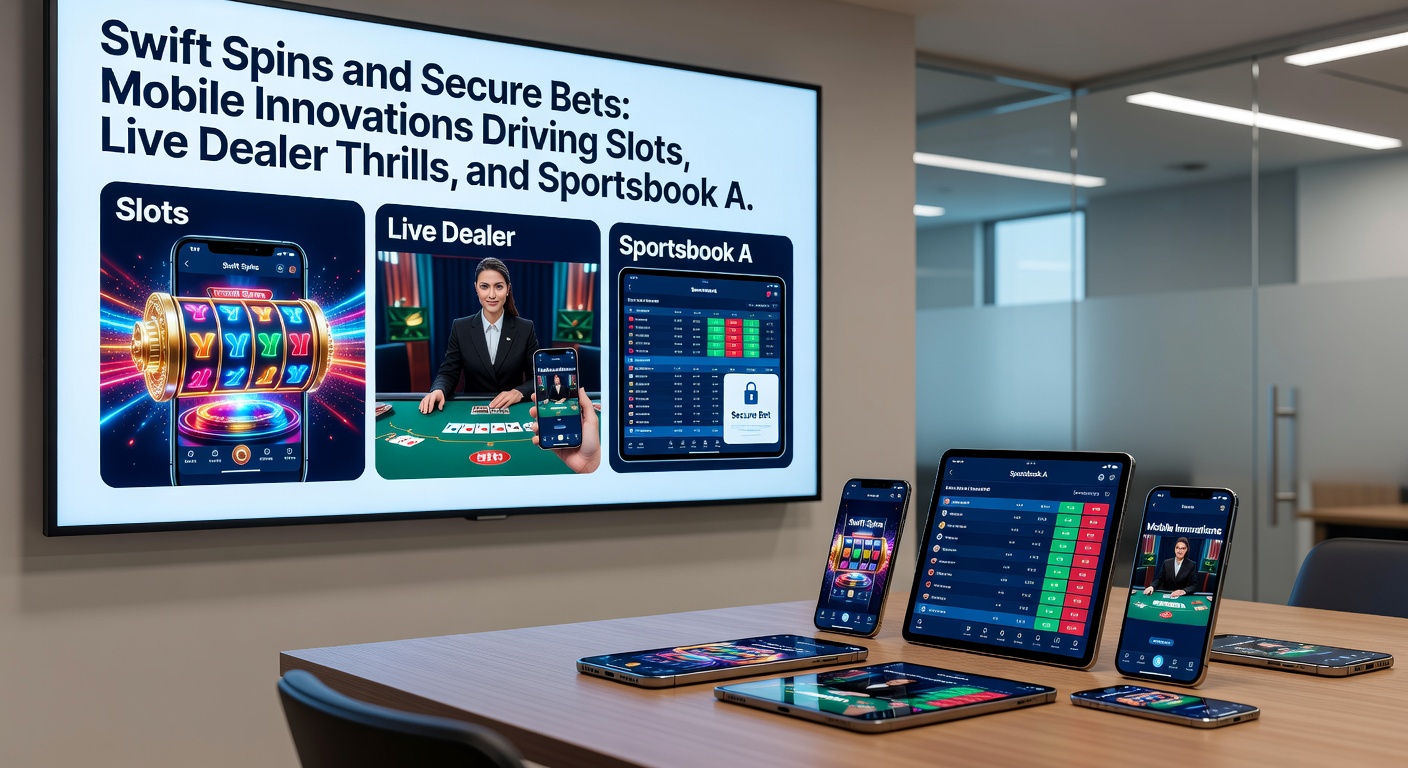
Sportsbook Security Meets Real-Time Action
Sportsbooks on mobile have evolved into fortresses of data, where biometric logins via Face ID or fingerprint scanners grant access in seconds, while blockchain ledgers record every bet immutably; figures from Nevada's Gaming Control Board highlight a 60% drop in fraud incidents since operators mandated two-factor authentication tied to device geolocation in 2025. Live betting thrives here too—odds refresh every 5 seconds during NBA quarters or soccer halves, powered by AI models that crunch player stats, weather data, and crowd sentiment scraped from social feeds.
Now, consider cash-out options: punters lock in profits mid-game without waiting for full-time whistles, a feature that exploded in popularity after the 2024 Olympics when mobile volumes spiked 200% in Australia; apps integrate with digital wallets like Apple Pay and crypto exchanges, processing withdrawals in under 10 minutes, far outpacing wire transfers. And although volatility in props like player assists keeps things spicy, risk management tools—such as deposit limits and session timers—enforce responsible play, with compliance rates hitting 95% per regulatory audits.
People often find the personalization addictive; machine learning profiles build custom parlays, suggesting tennis moneylines based on past EPL favorites, while push notifications flag value bets like underdogs surging in the second set. It's noteworthy that cross-platform syncing lets users start a slot spin on phone, switch to tablet for live roulette, then check sportsbook futures on desktop—all bets mirroring instantly via unified accounts.
Tech Stack Powering the Shift
Behind these innovations, edge computing processes bets locally on devices, reducing server pings; quantum-resistant encryption shields transactions from future threats, as labs in Estonia pioneer protocols rolled out industry-wide by early 2026. Developers embed gamification too—daily slot challenges reward free spins, live dealer tournaments pit players head-to-head for leaderboards, and sportsbook streaks unlock boosted odds, lifting average deposits 25% per user studies.
But scalability demands more; hyperscale providers like AWS Gaming host petabytes of video archives for on-demand replays, while CDNs in Asia, Europe, and the Americas cache assets regionally, ensuring sub-50ms latency from Tokyo to Toronto. Observers note hybrid apps blending native code for graphics with web views for updates strike the perfect balance, sidestepping app store rejections while delivering native-like performance.
One case stands out: a 2025 beta in Ontario tested AR sports overlays, projecting holographic goal lines onto live soccer streams viewed via phone cameras; participants logged 40% more bets, hinting at mainstream adoption soon. Yet, regulatory harmony lags—while U.S. states like Pennsylvania greenlight full suites, EU directives cap live dealer streams to licensed hubs, shaping divergent app ecosystems.
Challenges persist, sure; overheating phones during marathon sessions prompt cooldown modes, and rural 4G users get throttled streams with adaptive quality drops. Still, OTA updates fix glitches overnight, keeping fleets uniform—turns out, this agility trumps clunky casino floors every time.
Global Footprint and Player Habits
Around the world, adoption varies wildly; Brazil's nascent market saw mobile slots claim 80% share post-2025 legalization, fueled by local payment gateways like Pix, whereas Germany's strict caps on stakes redirect traffic to live dealers exempt from limits. Data indicates Asians favor sportsbooks for esports like League of Legends, with in-play volumes tripling since 5G rollout, while North Americans lean slots for their quick-hit dopamine loops.
Those who've tracked demographics spot millennials dominating 65% of sessions, drawn by social sharing of big wins and influencer-led challenges; Gen Z experiments with crypto bets on niche leagues, pushing operators to integrate Solana and stablecoins. And in March 2026, as Wimbledon wrapped, global mobile wagers hit record $15 billion daily, per aggregated trade reports, underscoring the relentless momentum.
Operators respond with A/B tests on UI tweaks—swipe-up for spins, pinch-zoom on odds boards—refining based on heatmaps showing thumb-friendly layouts boost retention 18%. It's interesting how voice commands enter the fray too; "bet five on the over" triggers parlays hands-free, ideal for multitasking fans.
Looking Ahead: The Road to 2030
Projections paint a vivid future where 6G enables haptic jerseys vibrating on goals and metaverse casinos host avatar dealers; blockchain oracles feed unbreakable odds from on-field sensors, while AI croupiers handle low-stakes tables to cut costs. Security evolves with zero-knowledge proofs verifying ages sans data shares, and sustainable servers offset carbon footprints from data centers humming 24/7.
Regulators adapt too—Australia's upcoming frameworks for March 2026 mandate AI fairness audits, echoing U.S. pushes for transparent algorithms. Players stand to gain most; unified wallets across slots, tables, and books streamline everything, while global jackpots pool millions in progressive pots chasing nine-figure hauls.
Conclusion
Mobile innovations have woven swift slots, electrifying live dealers, and secure sportsbooks into a tapestry of anytime access, backed by stats showing triple-digit growth in engagement metrics; as networks thicken and tech refines, the ecosystem promises deeper immersion without compromising trust. Experts agree this mobile-first paradigm isn't fading—it's accelerating, reshaping how billions interact with games of chance from pockets worldwide.