Instant Verification Systems Align Compliance Standards Across Global Slot and Betting Networks
Written by Nils Franke · Jul 13, 2026

Instant Verification Systems Align Compliance Standards Across Global Slot and Betting Networks
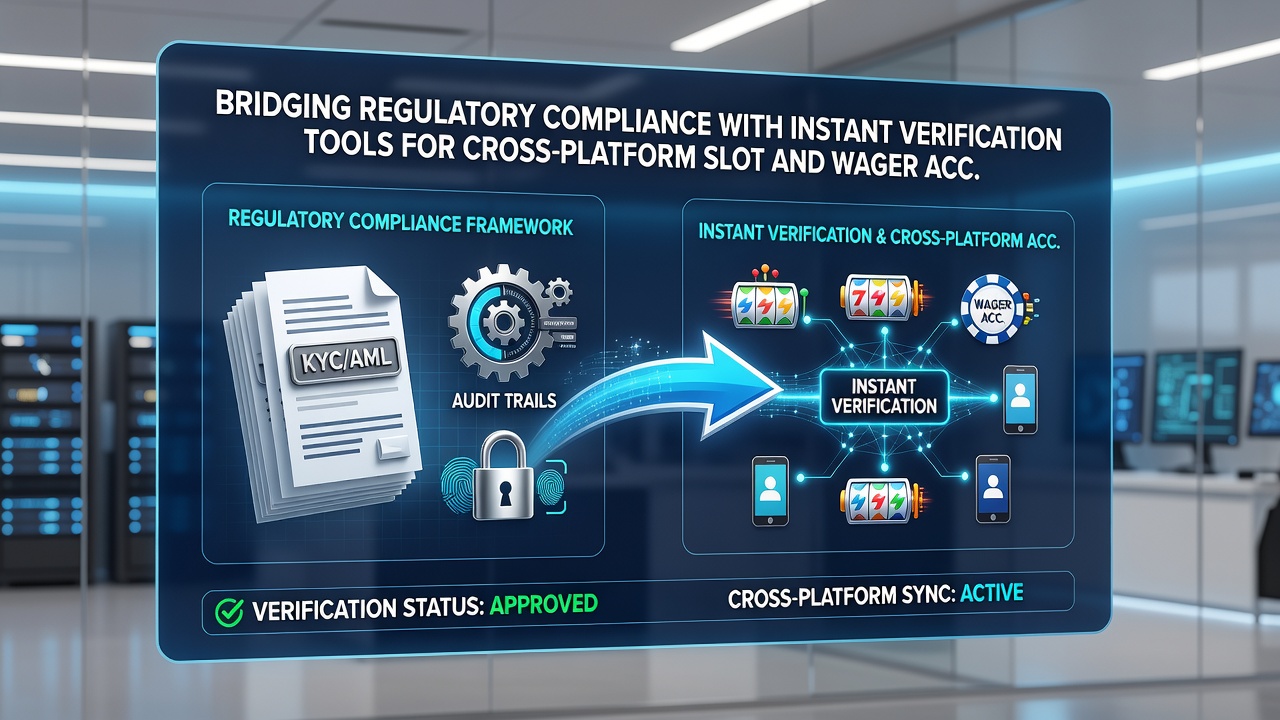
Regulatory bodies worldwide continue expanding requirements for player verification while operators deploy instant tools that handle identity checks in seconds rather than minutes. These systems connect directly to government databases, credit bureaus, and biometric services so users can move between desktop slots, mobile sportsbooks, and live dealer tables without repeated logins or manual document uploads. Data from multiple jurisdictions shows verification completion rates climbing above 95 percent when platforms integrate these tools at the registration stage.
Current Landscape in Multi-Jurisdiction Access
Operators now face simultaneous rules from state agencies in the United States, provincial commissions in Canada, and national authorities in Europe and Australia. Each region demands age confirmation, self-exclusion list checks, and source-of-funds reviews, yet players expect seamless access across devices. Instant verification platforms pull data from shared registries in real time, allowing one successful check to satisfy requirements on every linked site or app operated by the same company. In July 2026 several North American states reported synchronized updates to their exclusion databases that let verification providers refresh player status across borders within the same hour.
Technical Integration Methods
API connections form the core of these bridges between compliance software and gaming platforms. Developers embed lightweight SDKs that trigger automated queries the moment a user selects a slot game or places a wager. The process runs in the background while the interface loads game graphics or betting markets, so delays stay under three seconds on average. Blockchain-based audit trails record each verification event without storing personal data on the gaming servers themselves, satisfying data-minimization rules in multiple regions. One major platform reported handling over 2.4 million cross-device sessions daily after switching to this architecture.
Regional Regulatory Approaches
The New Jersey Division of Gaming Enforcement requires every online operator to maintain records of verification timestamps that auditors can retrieve within 24 hours. Meanwhile the Australian Communications and Media Authority emphasizes continuous monitoring rather than one-time checks, pushing vendors to run periodic re-verification scripts against updated watch lists. Canadian provinces such as Ontario tie verification directly to the iGaming Ontario central registry, allowing a single successful check to unlock play on any licensed site within that province. These differing models still converge on the same technical requirement: fast, auditable data exchange between compliance databases and gaming engines.
Security and Fraud Reduction Outcomes
Industry reports indicate that platforms using instant verification cut account takeover attempts by roughly 40 percent compared with manual processes. Facial recognition layered on top of document scanning adds another layer that flags mismatched images before funds can transfer. Research from academic centers tracking online gambling patterns shows that jurisdictions adopting these tools experience measurable drops in chargeback rates within the first six months of implementation. The same studies note that legitimate players complete registration faster and return to play more frequently when friction drops below previous thresholds.
Future Developments Expected by Late 2026
Standards organizations are drafting common data formats so verification results from one country transfer more easily to operators licensed elsewhere. Pilot programs already test portable digital identities that satisfy both gambling-specific rules and broader financial services regulations. Several suppliers announced updates scheduled for August 2026 that will embed machine-learning models capable of spotting unusual betting patterns during the verification window itself. These enhancements aim to satisfy upcoming amendments to responsible gaming codes without adding visible steps for users.
Conclusion
Cross-platform slot and wager access now depends on verification systems that satisfy overlapping regulatory demands while preserving speed and convenience. Continued alignment between technical standards and enforcement practices will determine how quickly operators can expand into new markets without rebuilding compliance layers for each jurisdiction.