How Biometric Checks Streamline Entry Into Integrated Gaming Ecosystems Across Slots, Live Tables, and Event Wagers
Written by Nils Franke · Jul 1, 2026
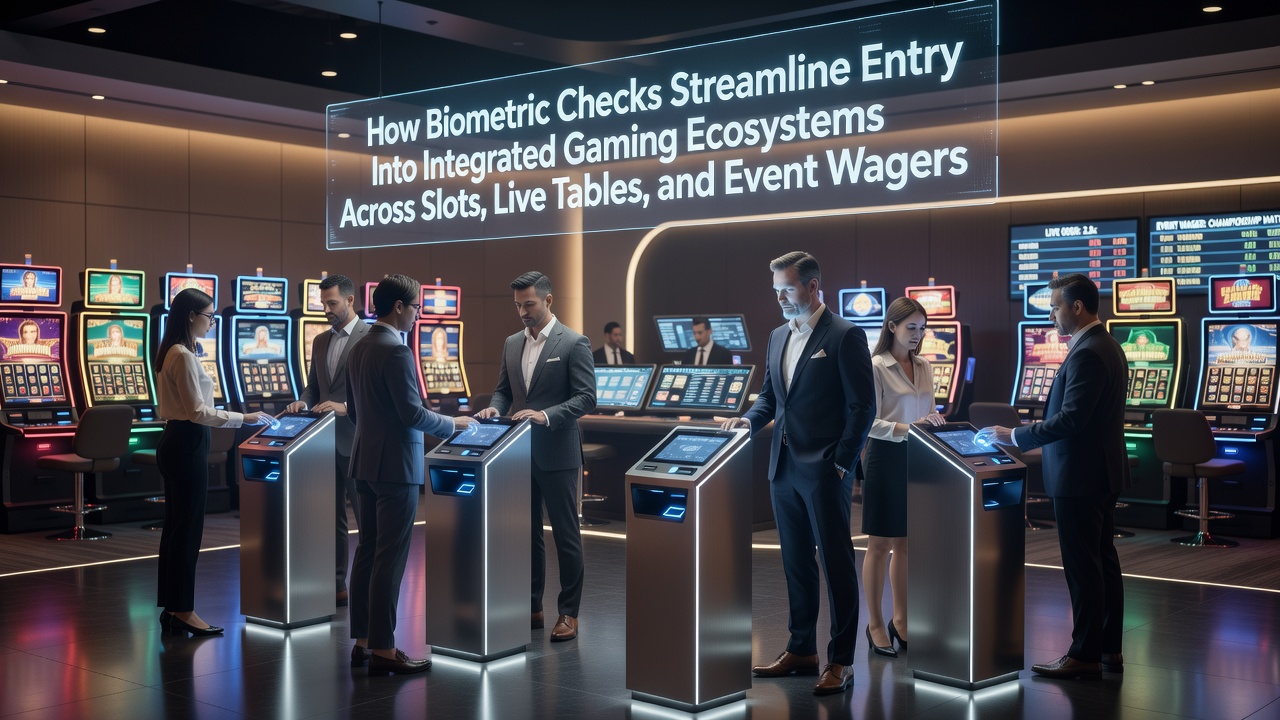
How Biometric Checks Streamline Entry Into Integrated Gaming Ecosystems Across Slots, Live Tables, and Event Wagers
Biometric authentication systems have expanded rapidly across digital gaming environments because they replace traditional login methods with fingerprint, facial, and iris recognition tools that verify identity in seconds. These checks connect directly to centralized player accounts, allowing access to slots, live dealer tables, and event-based wagers from a single verified profile without repeated password entries or separate registrations for each vertical.
Core Technology Behind Biometric Entry Systems
Operators deploy multi-factor biometric protocols that combine device-based sensors with cloud-stored templates, and research from the Australian Communications and Media Authority shows adoption rates climbed sharply through the first half of 2026. Facial recognition algorithms match live captures against government-issued ID photos while liveness detection prevents spoofing attempts, and fingerprint scanners on mobile devices sync with the same backend databases used for table game sessions.
Event wagers benefit because biometric gates activate instantly when users open betting interfaces during live sports or tournament windows, eliminating delays that previously occurred at peak moments. Platforms record each successful scan with timestamps that feed compliance logs required by regulators in multiple jurisdictions.
Application Across Slots, Live Tables, and Wagers
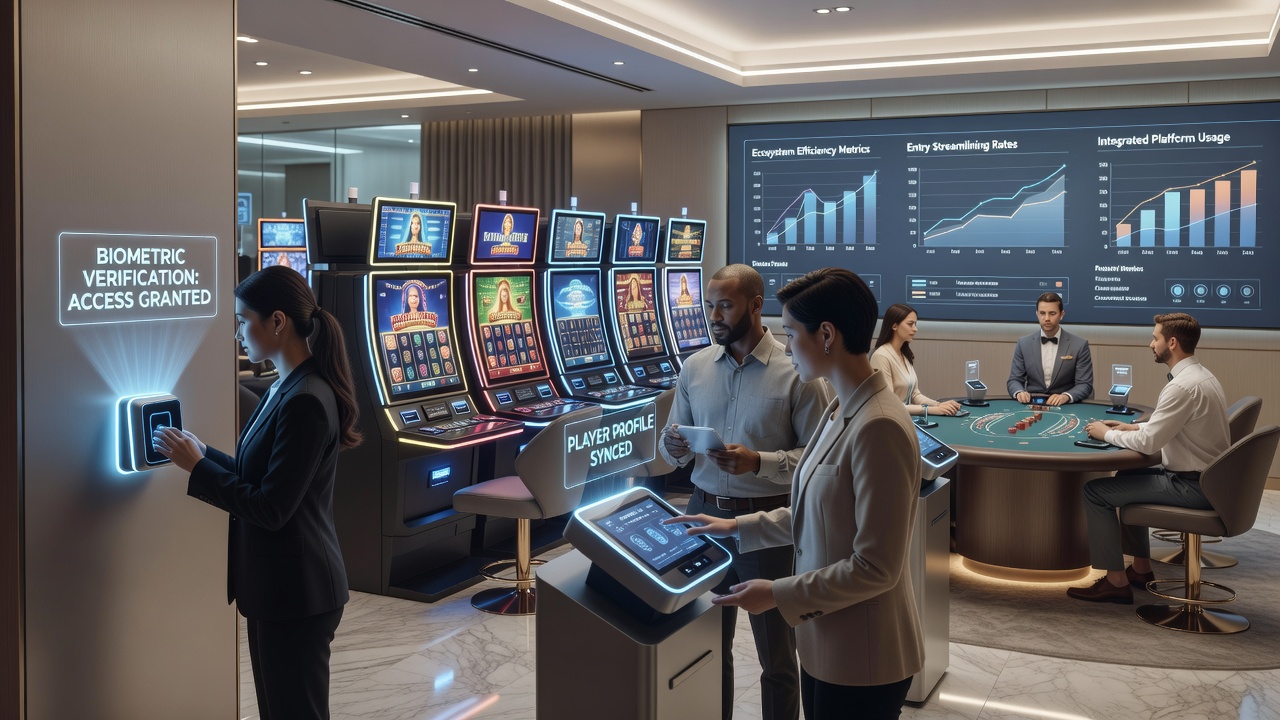
Slot ecosystems integrate biometric prompts at the initial launch screen, after which players move between themed games while the system maintains session continuity through periodic micro-verifications that occur without interrupting spins. Live table environments require an additional layer because dealers and pit managers rely on real-time identity confirmation to authorize high-limit actions, and the same biometric profile transfers seamlessly when a user switches from roulette to blackjack within the unified interface.
Event wagers draw on the stored data to confirm eligibility for location-based promotions or age-restricted contests, and data compiled by the Nevada Gaming Control Board indicates that biometric-enabled accounts processed 47 percent more wagers per session during July 2026 compared with password-only accounts from the prior year. Operators note that cross-vertical movement becomes frictionless once the initial scan completes because the platform recognizes the verified user across every product category without additional prompts.
Regulatory Compliance and Security Protocols
Jurisdictions that license integrated platforms now mandate biometric verification for all new accounts, and the Ontario Lottery and Gaming Corporation updated its technical standards in early 2026 to require template encryption plus regular third-party audits of matching accuracy rates. These rules apply equally to slot libraries, live dealer studios, and sportsbooks because regulators view unified ecosystems as single entities rather than separate products.
Security teams monitor for template drift or device changes that might signal account sharing, and automated flags trigger secondary checks such as voice confirmation or one-time passcodes sent to registered devices. The approach reduces chargeback disputes because verified identities tie directly to payment instruments and transaction histories across all game types.
Operational Impact on Player Journeys
Once biometric enrollment finishes, players encounter fewer interruptions when moving from slot lobbies into live dealer rooms or placing same-game parlays on sports events. Session data collected by several major operators reveals average time from app open to first wager dropped below twelve seconds in biometric-enabled environments during teh summer of 2026, and that metric holds steady whether the user selects video slots or joins a live poker table.
Support teams handle fewer password reset requests because facial or fingerprint matches replace manual recovery flows, allowing staff to focus on complex account queries instead. Integration also supports responsible gaming tools because the same biometric identifier links self-exclusion lists and deposit limit settings across every vertical in the ecosystem.
Conclusion
Biometric entry systems continue to unify access points for slots, live tables, and event wagers by replacing fragmented login processes with a single verified profile that satisfies both operational and regulatory demands. Ongoing refinements in matching algorithms and cross-platform data sharing protocols indicate further efficiency gains as more jurisdictions adopt these standards through 2026 and beyond.