Charting User Journeys Through Hybrid Gaming Onboarding Systems
Written by Finley Schröder · Jun 10, 2026
Charting User Journeys Through Hybrid Gaming Onboarding Systems
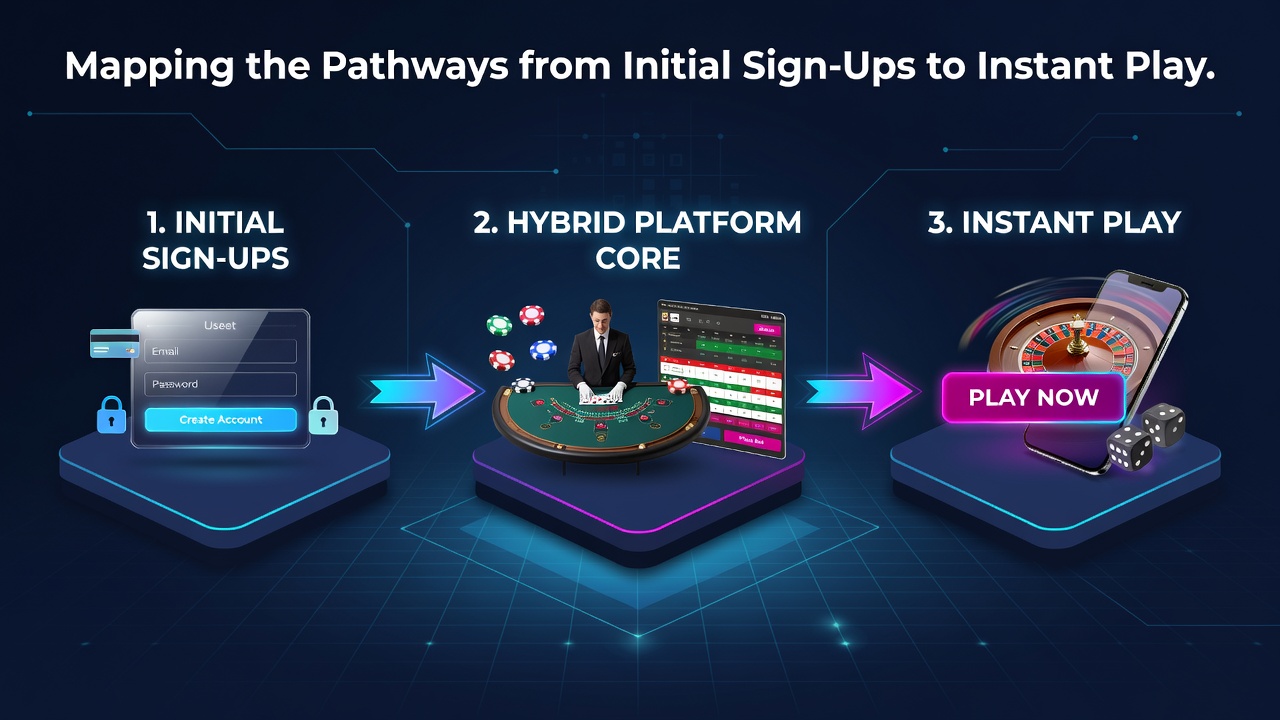
Hybrid platforms that combine live dealer tables with integrated sports betting have developed structured pathways that move users from initial registration to active play within minutes, and data from multiple jurisdictions shows these sequences rely on automated verification tools alongside real-time payment gateways.
Registration Mechanics and Data Capture
Operators collect basic identifiers such as email addresses, phone numbers, and government-issued identification during the first screen, while backend systems cross-reference details against regulatory watch lists in seconds; once a match clears, the platform assigns a temporary account that unlocks deposit options immediately. Studies conducted by academic teams at the University of Nevada, Reno indicate that streamlined capture of these fields reduces drop-off rates by measurable margins across mobile interfaces.
Verification Layers and Compliance Checks
Automated document scanners read passports or driver’s licenses and feed results into third-party databases, whereas manual review queues handle flagged cases within regulatory timeframes set by bodies like the Nevada Gaming Control Board; users who complete this stage gain full access to both live dealer lobbies and sportsbook modules without additional prompts. Observers note that platforms operating in multiple markets often maintain separate compliance engines to satisfy regional rules simultaneously.
Instant Funding Channels
Digital wallets, instant bank transfers, and prepaid vouchers connect directly to the same user profile created minutes earlier, and transaction processors authorize funds in under ten seconds when risk algorithms return low scores; this linkage allows a single balance to support live roulette spins, blackjack decisions, and in-play sports wagers without separate funding steps. Reports from the Australian Communications and Media Authority highlight that markets with mature instant-transfer infrastructure record higher average session lengths once deposits clear.
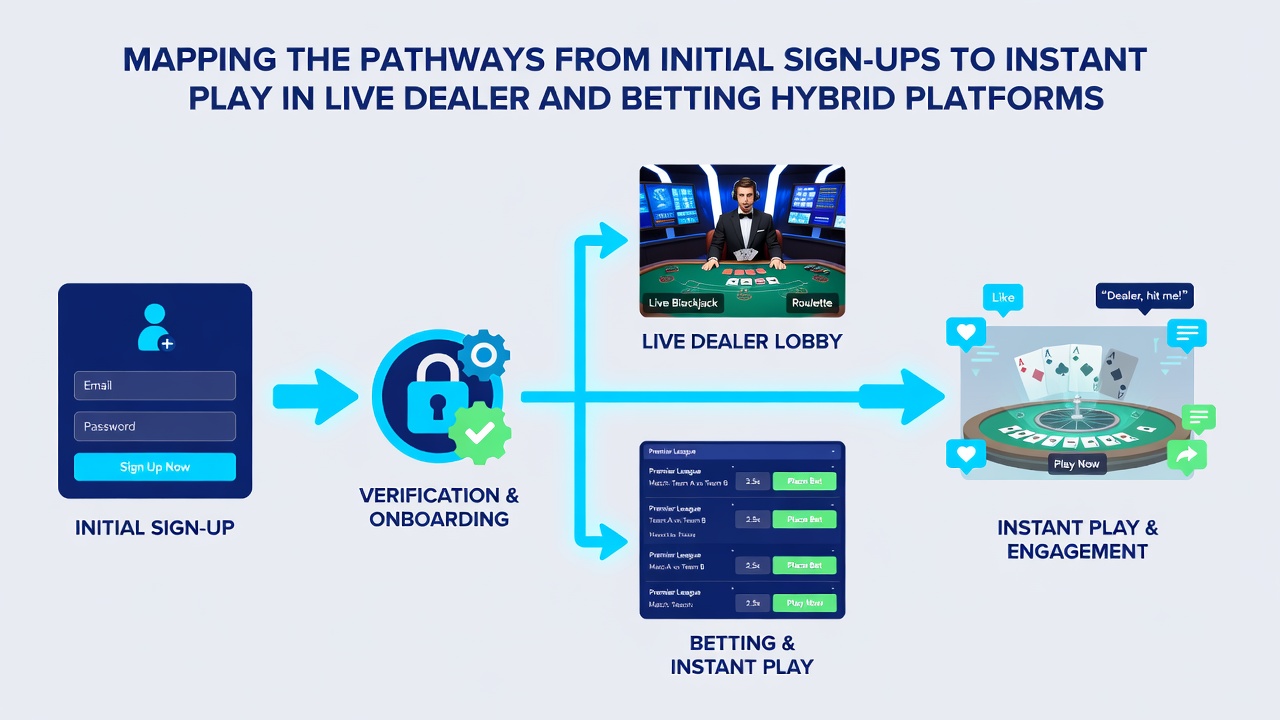
Hybrid interfaces then surface unified lobbies where live dealer streams run alongside odds displays, and API calls refresh both environments in parallel so that a user switching from a roulette table to a live football market encounters no perceptible delay. Platform architects achieve this synchronization through shared session tokens that maintain state across modules.
Transition to Live Environments
Once the funded balance registers, lobby thumbnails load dealer tables and event schedules in one view, and tapping any option triggers an instant seat reservation or bet slip population; latency measurements published in industry technical papers show average load times below two seconds on 5G connections during peak hours in June 2026. Those who’ve studied these systems emphasize that edge caching of video feeds and preloaded market data contribute to the perception of seamless entry.
Retention Patterns and Platform Adjustments
Analytics dashboards track time elapsed between sign-up and first wager or spin, and operators adjust verification prompts or payment partner lists when aggregate data reveals friction points; jurisdictions that publish monthly summaries, including several Canadian provinces, provide aggregate figures that operators cross-reference with their internal logs. Such iterative tweaks keep pathways aligned with evolving user devices and network conditions.
Conclusion
The documented sequences from account creation through verification, funding, and entry into live dealer or sports markets demonstrate consistent engineering choices across regulated operators, and continued refinement of these pathways remains tied to regulatory reporting requirements and technical performance metrics released throughout 2026.