Advanced Identity Verification Accelerating Live Blackjack Participation and Real-Time Betting Engagement
Written by Nils Franke · Aug 19, 2026
Advanced Identity Verification Accelerating Live Blackjack Participation and Real-Time Betting Engagement
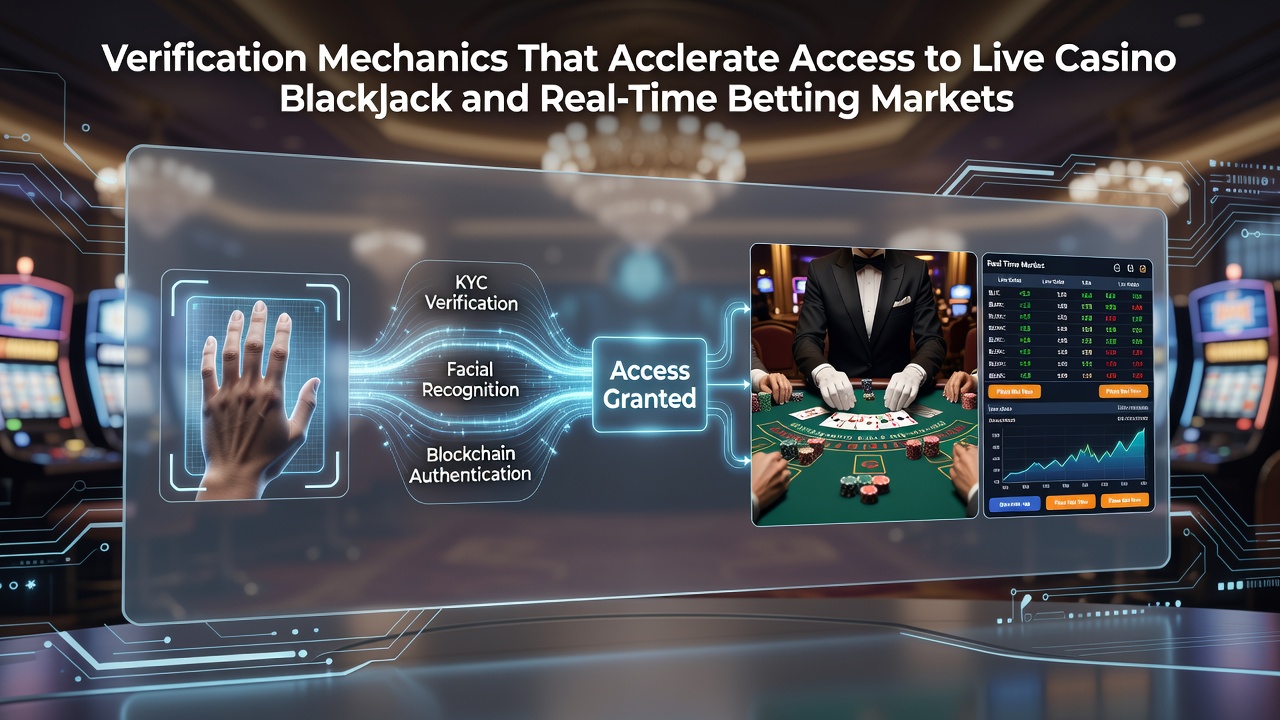
Verification mechanics in online gaming platforms have evolved to support rapid entry into live dealer blackjack tables and dynamic betting markets, with systems integrating document scanning, biometric matching, and database cross-checks that complete in seconds rather than minutes. These processes align with regulatory frameworks across multiple jurisdictions, allowing operators to verify user identities while maintaining compliance with age restrictions and anti-money laundering rules. Data from industry reports shows that platforms employing layered verification see average onboarding times drop below 90 seconds in many cases, enabling immediate access to live streams and in-play wagering options.
Core Components of Modern Verification Systems
Document verification forms the foundation, where users upload government-issued identification that artificial intelligence algorithms analyze for authenticity through pattern recognition and security feature detection. Biometric layers follow, incorporating facial recognition or fingerprint scans that match the provided ID photo against a live capture, reducing the chance of identity mismatch. Database integrations then cross-reference details against government records, credit bureaus, and previous gaming activity logs to flag discrepancies without manual intervention. Researchers at various academic institutions have documented how these combined steps maintain security standards while cutting processing delays that previously kept players from joining live blackjack sessions or placing real-time bets on evolving odds.
Payment method verification often runs in parallel, linking bank accounts or digital wallets through tokenization that confirms ownership without exposing sensitive financial data. This approach proves especially useful for real-time betting markets, where odds fluctuate rapidly and participants require instant funding capabilities to capitalize on live events. Observers note that systems supporting instant bank transfers or prepaid card validations allow seamless transitions from verification to active play across multiple regions.
Impact on Live Casino Blackjack Access
Live dealer blackjack requires stable connections to physical tables streamed in real time, and verification mechanics ensure only authorized users reach those interfaces without extended waiting periods. Automated checks confirm location compliance through IP analysis and geofencing, satisfying state-specific licensing rules in places like New Jersey and Pennsylvania. Once cleared, players gain direct entry to tables where dealers interact via video feeds, with game logs and bet histories tracked under verified accounts. Figures from regulatory filings indicate that operators utilizing these accelerated tools report higher session initiation rates during peak evening hours when live tables see the most activity.
Support for Real-Time Betting Markets
Real-time betting markets depend on verification systems that handle high volumes of in-play wagers across sports and other events, with checks completing fast enough to match shifting probabilities. Integrated APIs pull live data feeds while simultaneously validating user status, preventing disruptions during critical moments like goal scoring or point spreads changing. Industry organizations such as the Australian Gaming Association have tracked how verification speed correlates with participation levels in dynamic markets, particularly in jurisdictions where mobile access dominates. Those who've studied platform performance observe that reduced friction during identity confirmation leads to sustained engagement through entire events rather than abandoned sessions.
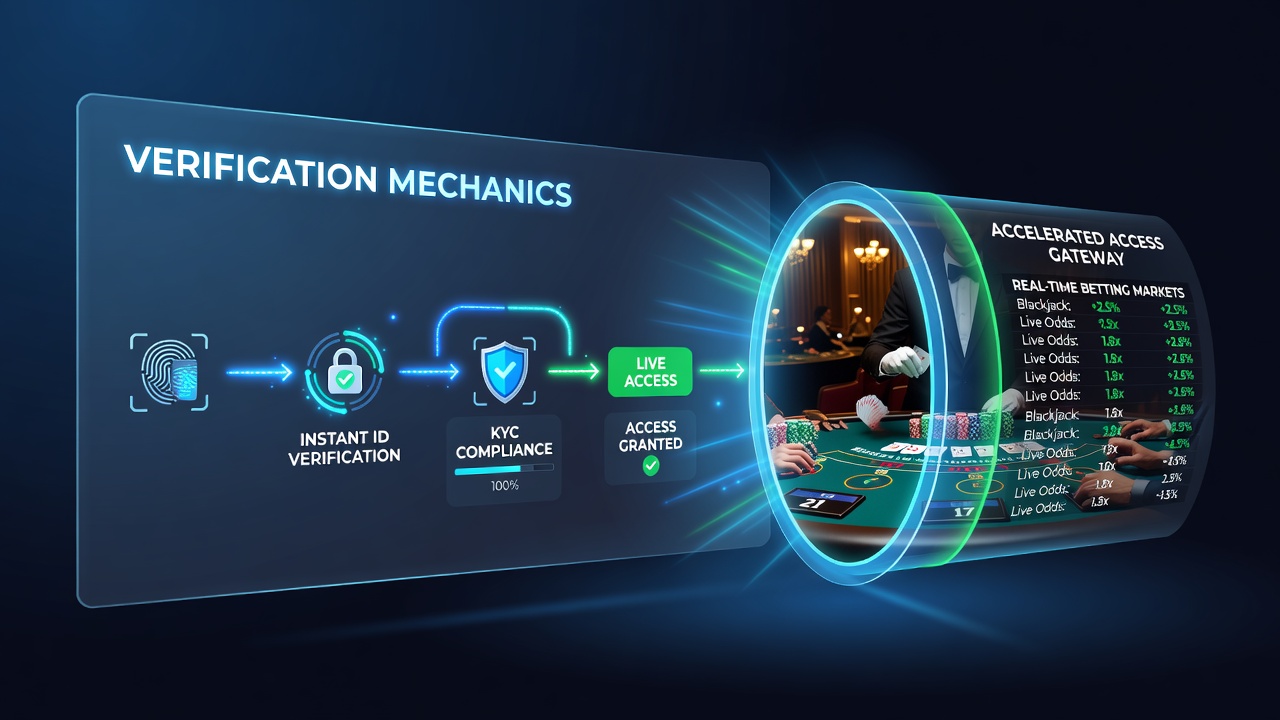
Multi-factor authentication adds another dimension, sending one-time codes or push notifications that users confirm on registered devices before accessing premium features. This step integrates smoothly with existing verification flows, adding security layers without extending timelines significantly. In August 2026, updates to several regional standards have emphasized these combined mechanics as operators expand live dealer offerings alongside expanded in-play options.
Regional Regulatory Alignment and Data Trends
Regulatory bodies in different areas set distinct benchmarks for verification speed and accuracy. The Nevada Gaming Control Board requires documented audit trails for all identity checks tied to live table games, while Canadian provincial authorities focus on responsible gambling integrations within the same processes. Research from university studies on digital identity systems highlights that platforms balancing these requirements achieve verification success rates above 95 percent on first attempts, minimizing drop-offs before users reach live blackjack or betting interfaces. Evidence suggests geographic variations in acceptable methods, such as reliance on national ID databases in some European markets versus mobile carrier confirmations elsewhere, influence how quickly operators deploy updates.
Transaction monitoring runs continuously after initial verification, using algorithms to detect unusual patterns that might indicate issues while preserving access for standard activity. This ongoing oversight supports compliance without interrupting real-time engagement in blackjack rounds or live market bets. Reports compiled by research institutions show consistent growth in verified user bases correlating with these technical refinements across multiple platforms.
Conclusion
Verification mechanics continue to shape how users reach live casino blackjack tables and real-time betting markets through coordinated technical and regulatory approaches. Integration of biometric tools, document analysis, and payment confirmations creates pathways that satisfy oversight requirements while supporting immediate participation. As systems advance, data from sources including the New Jersey Division of Gaming Enforcement and international industry analyses points to sustained improvements in access efficiency across diverse jurisdictions. These developments reflect broader patterns in digital identity management that extend beyond gaming into other regulated sectors.